PLAN fertilizer over the winter, don’t APPLY it

Winter is a great time to review yield results, fertilizer rates and potential fertilizer shortcomings evident over the growing season. Winter provides the time to look at soil test results from the fall (and even sample fields that weren’t done sooner – albeit with specialized equipment for frozen soil) and make plans to pre-buy and maybe even take delivery of fertilizer – if the farm is set up for that.

But winter is not the time to apply fertilizer.
Fall soil sampling: The early option

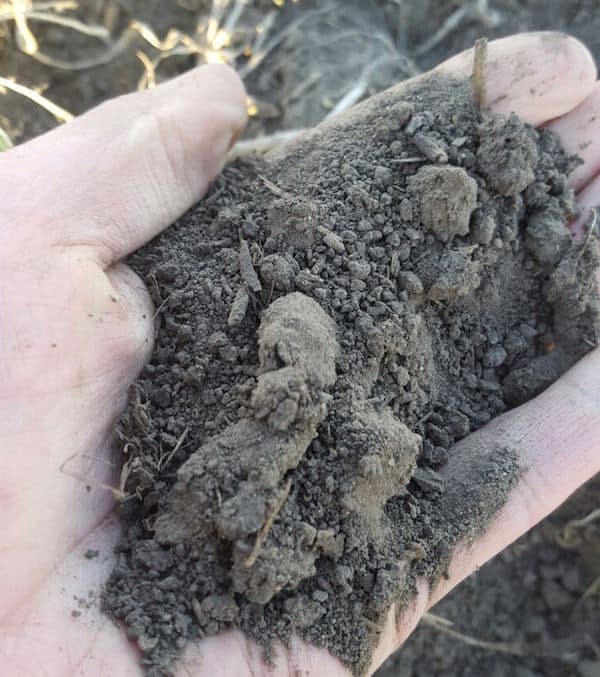
Closer to freeze up is best time to capture soil test results that more closely resemble the situation next spring. BUT…sampling soon after combining may satisfy a number of other issues: (1) That is the only time you can get the custom soil-sampler. (2) You want test results in time to make fall fertilizer applications. (3) You want to see if harvest-time soil nutrient levels could explain lower- or higher-than-expected yields this year.

Timing and depth for fall fertilizer

Fall fertilizer is best applied as close to freeze up as possible to balance two objectives: (1) allow soil to seal over the band and (2) reduce losses due to high microbial activity in warm soils.

Early fall soil tests and fertilizer applications

Some growers are already doing soil tests and making fall fertilizer applications. While this may not be the ideal timing for soil tests of fertilizer applications (closer to freeze up is better), this timing may satisfy a number of other issues, including custom soil-sampler availability, wanting test results before fall application, and checking to see if current soil nutrient levels could explain lower- or higher-than-expected yields this year.

Boron and other micronutrients

When well-designed research studies are done for micronutrients in canola, results show little if any economic benefit.

The right time for fall soil tests

For results to be as close as possible to the situation next spring, the ideal time to take fall samples is when soil temperatures drop below 10°C and as close to freeze-up as possible.

Top dress tips for nitrogen and sulphur

Western Canada has a short growing season. Crops in Western Canada start to take up nutrients early and uptake escalates quickly. For these reasons, the ideal timing for fertilizer application is at seeding. This saves an extra pass over the field and ensures that the expected fertilizer requirement is in place when the crop needs it. But there are times when an in-crop top up of nitrogen or sulphur makes sense.

Fertilizer top dress: 2 questions

We had two questions in the past week about top-dressing fertilizer after seeding.

1. How early is too early to top dress?
2. Does adding S stabilize N against losses?

The right nitrogen system for you

Each farm will base its nitrogen application practices on time, labour, equipment and cost. Often losses in efficiency in one area can be compensated for by improvements in another. The “best” nitrogen (N) system is not universal, but will depend on the major limiting factors on each individual farm. Here are key points to consider for the six most common systems.

Fertilizer applications in November

The combination of warm weather and moist soils is almost ideal for losses. Growers may want to reassess the nutrient situation with a time-of-seeding soil test, then top-dress if amounts are less than expected.