Given the warm temperatures and moist soil conditions, the ideal time for fall soil samples may still be ahead of us. For results to be as close as possible to the situation next spring, the ideal time to take fall samples is when soil temperatures drop below 10°C and as close to freeze-up as possible.
How to reduce fall N fertilizer losses
The key strategy of fall fertilization is to store nitrogen over the winter in the ammonium form – which is held on clay and organic matter – and is referred to as stabilized N. To keep nitrogen in this stabilized ammonium form and protect it for crop use next year…
Fall soil sampling and snow
Snow in October is not usually a major problem for fall soil tests. Temperatures often improve before winter sets in for good, so sampling opportunities usually present themselves.
Top 10: Planning for next season
In preparation for next season, here are a few field and office jobs and WHEN to start them.
The right time for fall soil testing
For results to be as close as possible to the situation next spring, the ideal time to take fall samples is when soil temperatures drop below 10°C and as close to freeze-up as possible.
Timing and depth for fall fertilizer
Fall fertilizer is best applied as close to freeze up as possible to balance two objectives: (1) allow soil to seal over the band and (2) reduce losses due to high microbial activity in warm soils.
Light-coloured petals: Sulphur or something else?

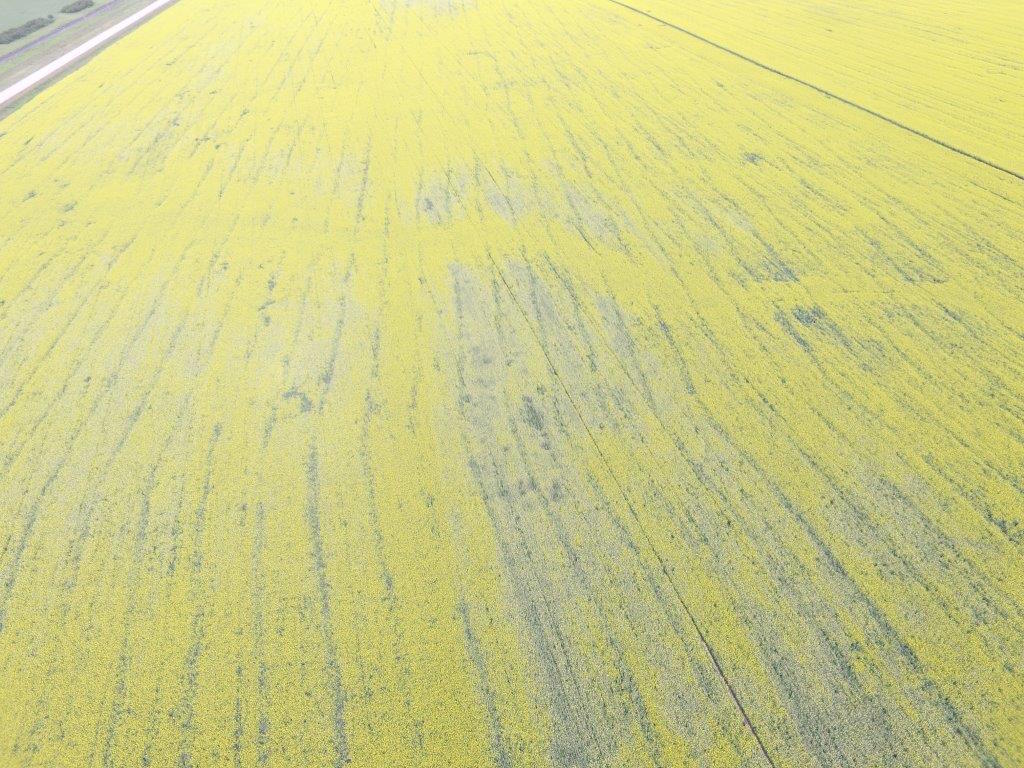
Canola Watch had a question this week about light-coloured petals and what can cause them. The field in question had large unruly patches of light-coloured flowers, indicating it was likely related to soil. Sulphur deficiency seems the most obvious but other causes must be ruled out first.
When you see something new

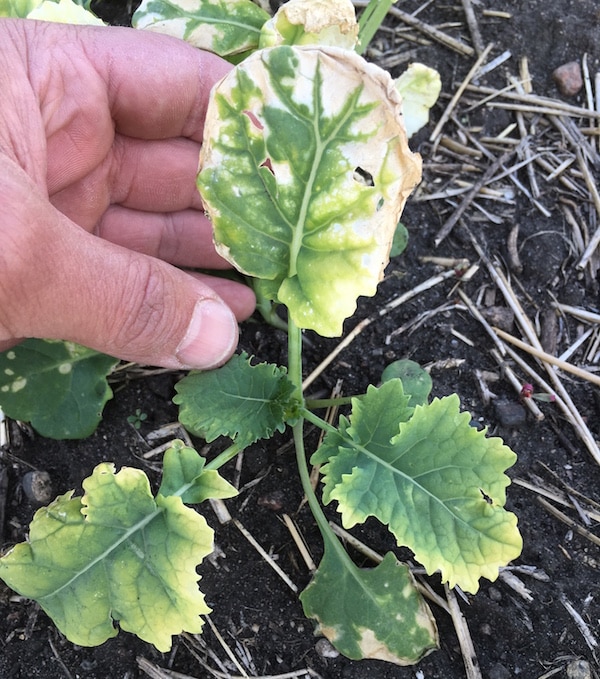
Before spending money on a treatment, growers will need to identify the cause. The Canola Diagnostic Tool can help you work through the possibilities. A few localized tests can also help with the diagnosis….
Top 10: Highlights from June 21 canolaPALOOZA

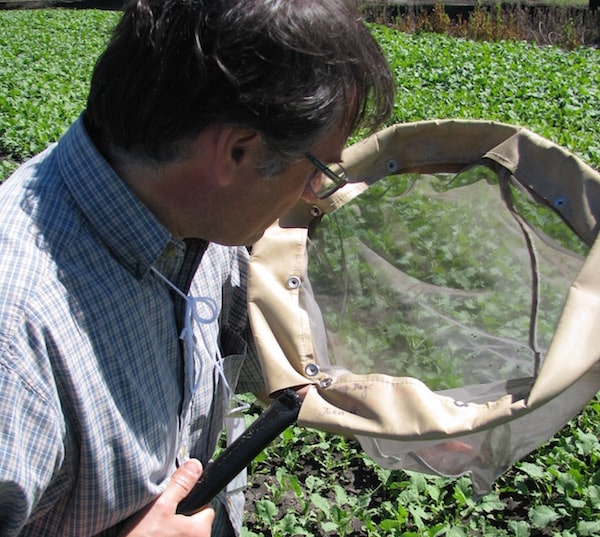
By this stage of the season, flea beetle and cutworm risks are lower because crops are bigger and these two insects are in natural seasonal decline. Adult flea beetles have laid their eggs and are dying. Cutworms are pupating. We’re now moving toward sweep net timing for lygus and cabbage seedpod weevil.

7 causes for missing pods

Heat, drought, off-label herbicide applications, male sterility, insects, sulphur deficiency, boron deficiency.