Cover crops: Benefits, challenges and tips

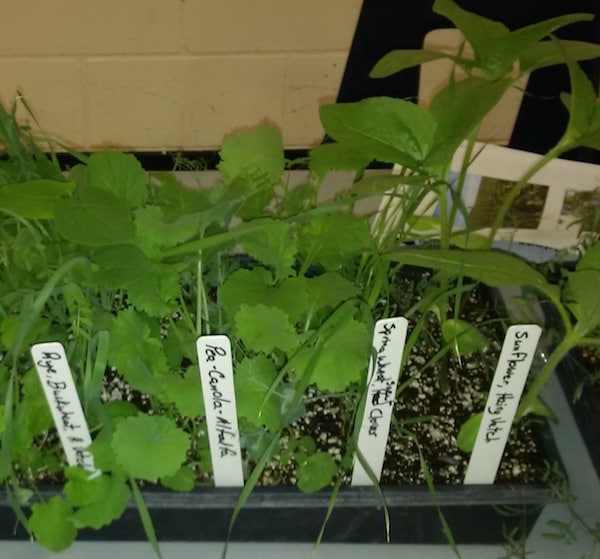
Here are a few examples of cover crop combinations.

Cover crops provide ground cover to avoid leaving fields bare. They provide weed competition, take up excess moisture, tie up nutrients at or near the soil surface so they’re not lost, and improve salinity. Nitrogen-fixing cover crops can increase soil nitrogen levels. Grassy cover crops act as “green manure”. All cover crops can reduce wind and water erosion of soil.
Ultimate Canola Challenge 2016 — Growers wanted!

uccsite_editoverview_medsteadsk_july272015_amandawuchner

Growers who want to run an Ultimate Canola Challenge trial in 2016 can contact CCC agronomy specialist Nicole Philp at philpn@canolacouncil.org or 306-551-4597. This collaboration gives growers a chance to learn first-hand how to run an effective on-farm trial.

Boron — Understanding the soil test

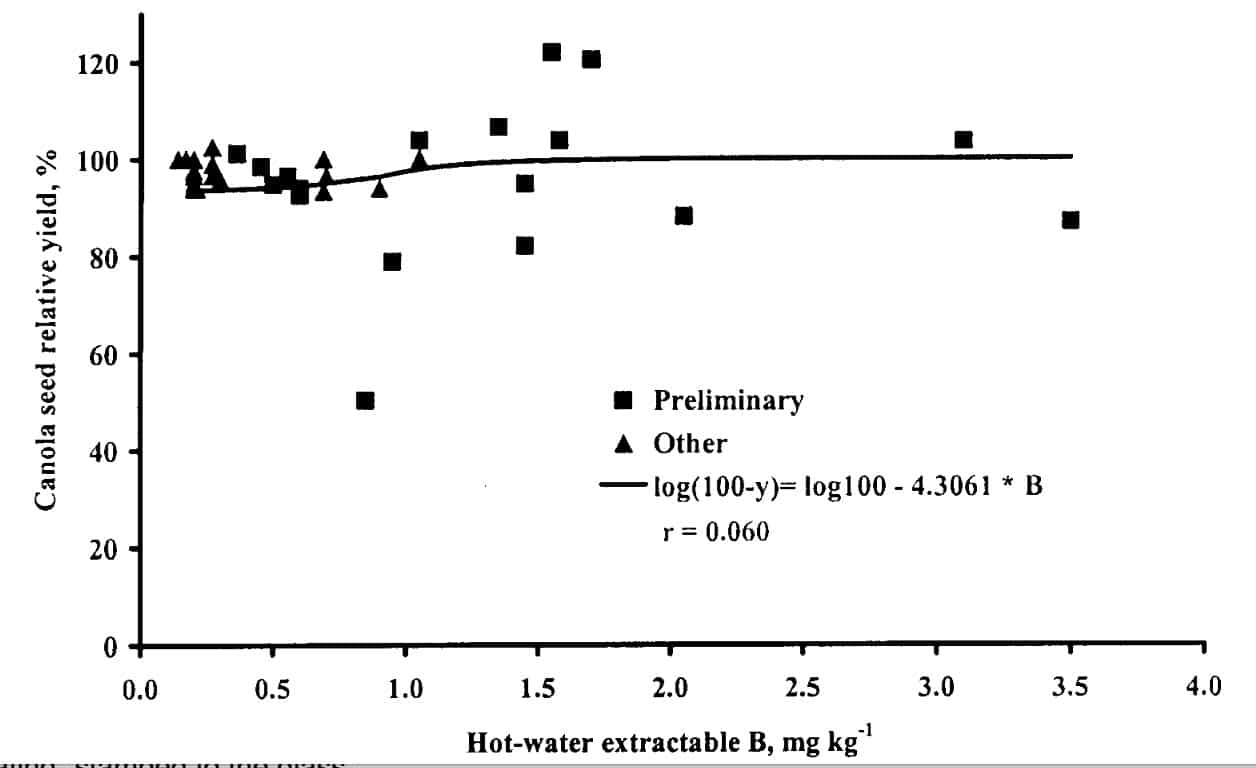
Figure 5. Relative yield of canola in relation to HW boron levels in the 0-15 cm depth at 18 sites from the preliminary survey-type research and 19 research sites carried out across Western Canada.

One challenge with boron is the hot water extraction (HW) soil test commonly used to test boron levels does not seem to be a reliable indicator of available boron. A 1999 study by Rigas Karamanos showed no relation between HW boron levels and canola yield, as the graph shows. Yet soil analysis continues to use the HW test for boron.

Fertilizer and rotation planning

Fertilizer planning: Growers with soil tests, particularly for poor performing fields in 2015, have valuable background information for making informed fertilizer rate decisions for 2016.
Rotation planning: This is a good time to go over notes for disease levels in 2015. Fields where disease levels were noticeably higher than in the past will benefit from a longer rotation away from canola.

Still time to take soil samples

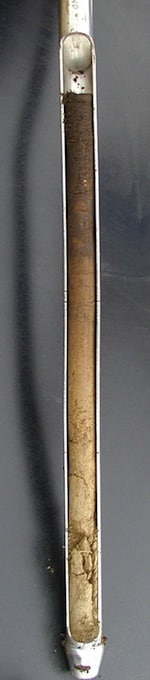
The ground is not frozen yet, which means growers and agronomists still have an opportunity to take fall soil samples. This is one of the best times to sample because…

Use good data to evaluate products

Decisions on what variety, nutrient or crop input product to buy are improved with good data. When looking for data, here are a few clues as to the quality of the data set…

The right time for fall soil tests

Soil sampling is good practice in the fall — whether crop was better or worse than you thought. Why fall? Growers often have more time in the fall than in the spring. And with results and recommendations in hand before winter, growers can use the winter months to plan their fertilizer programs for next year, to order fertilizer, and to take advantage of reduced pricing opportunities that may occur.

K release from canola swaths

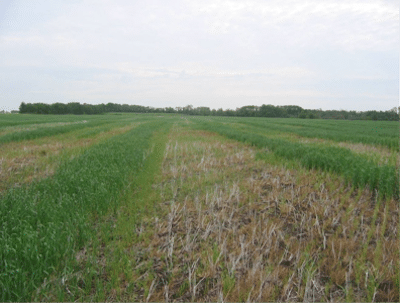
A case where potassium washed from canola windrow resulted in clear patterns in the following wheat crop. Source: John Heard

Have you seen patterns like this? Potassium in swathed crop is mobile and if several rainfall events fall on the swath before combining, potassium will bleed out below the swath. Since a six-foot swath contains all the straw from a 30-foot or wider cut, the K is concentrated. K-loving crops following canola can find sufficient K below the swath, but inadequate between swaths.

July 14, 2015 – Medstead Update

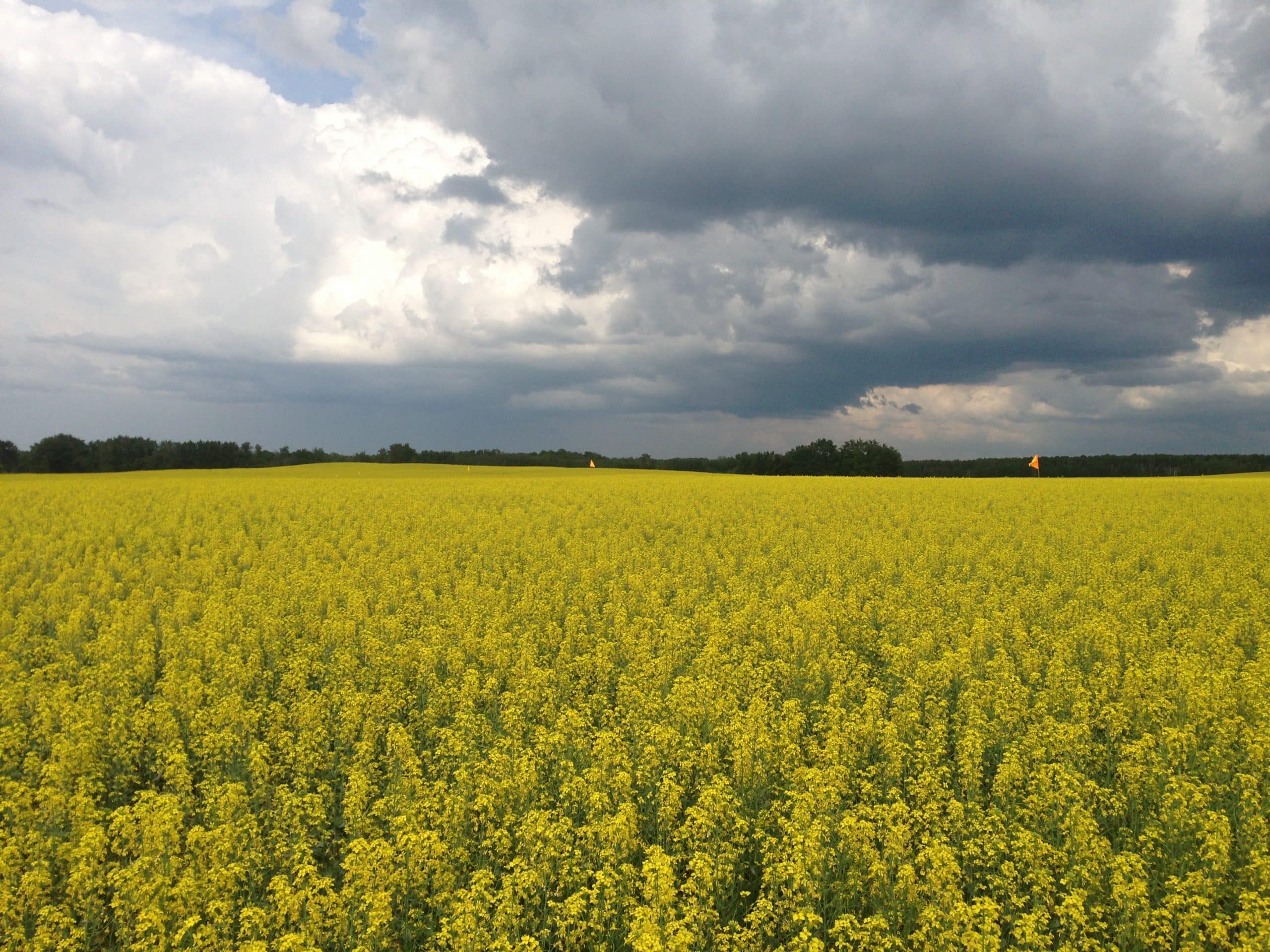
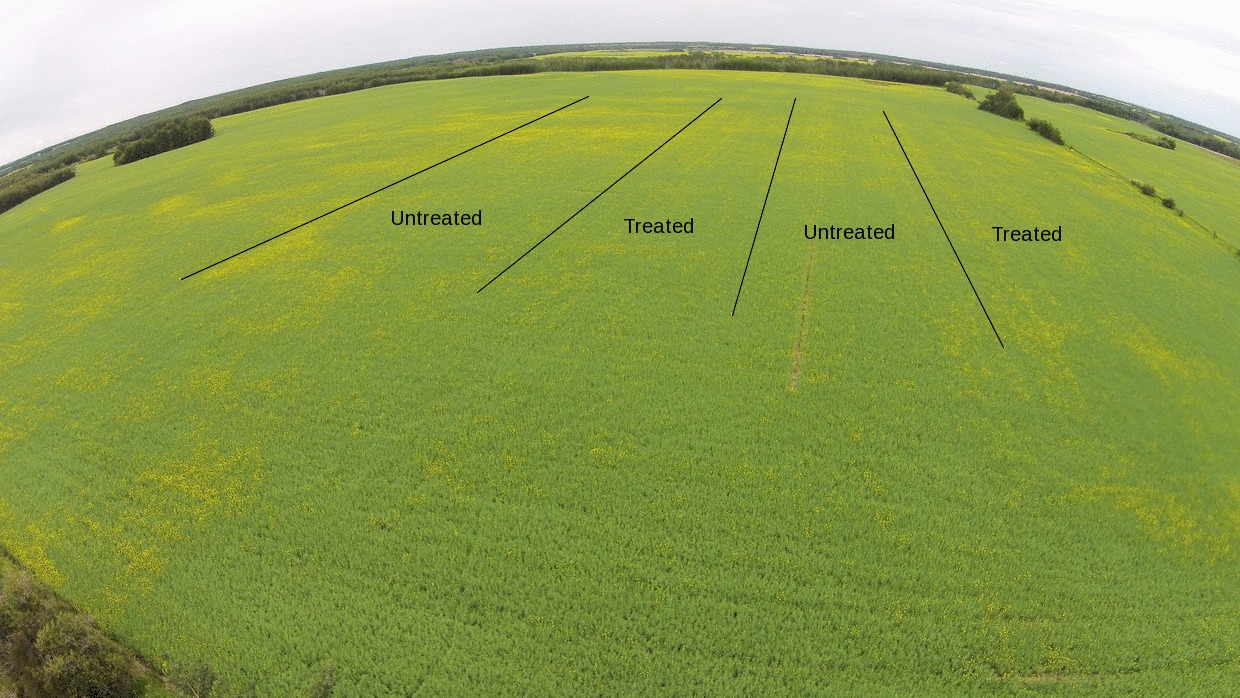
Conditions are much more favourable in Medstead with recent precipitation! Currently the crop is in 40-50% bloom. When pictures were taken from the air and also from the ground no visual differences were observed. DCIM100MEDIA

Scout for nutrient deficiency

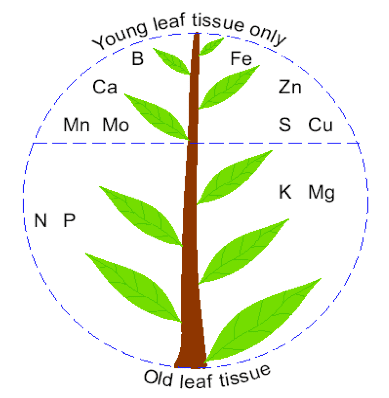
This diagram from IPNI shows where deficiency symptoms are likely to show up on a plant. Nitrogen is mobile so with N shortage, plants will move N to new parts of the plant. Therefore deficiency will show up first in older leaves.

This diagram from IPNI shows where deficiency symptoms are likely to show up on a plant. Nitrogen is mobile, so with an N shortage, plants will move N to new parts of the plant. Therefore deficiency will show up first in older leaves.