June 4th – Medstead SK UCC Site

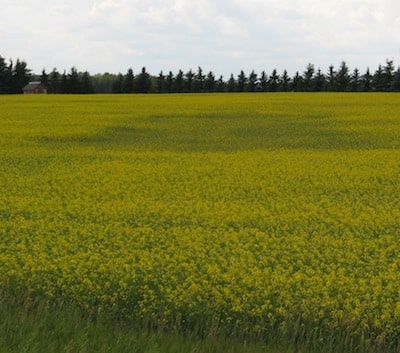
The UCC site that will be featured for Saskatchewan is located near Meadstead. The site was seeded with the Dekalb 74-44 variety on May 14th, 2015 at a rate of 5.3lbs/acre. The fertilizer was 130-40-0-30 of actual nutrient as liquid sidebanded with 0.3lbs/acre of boron in liquid form.
UCCsite_Flags_MedsteadSK_June42015_AmandaWuchner

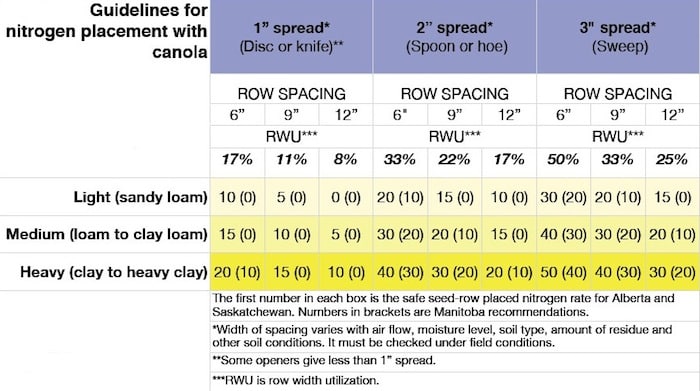
Seed-placed fertilizer safety

The safest method for seed-placed fertilizer is to put nothing with the seed. However, with low-medium soil test results, it’s often beneficial to put ammonium phosphate with the seed at a safe rate, and put all other fertilizers in a band away from the seed row.

Table 1. Safe rates of seed-placed N

3 fertility questions for seeding time

The key with fertility decisions is to apply all of the 4 Rs — right fertilizer source at the right rate, at the right time and in the right place. Missing even one R reduces the yield response from the fertility investment. Make the most of your fertilizer investment. At the CanoLAB fertility station, attendees had a chance to ask …

Are we mining soil phosphorus?

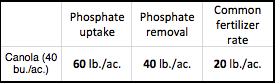
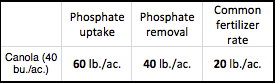
Phosphorus removal

Phosphorus fertilizer rates have, pretty generally, lagged crop removal for some time. As crops remove the soluble phosphorus in the soil, the soil’s large reserve of less soluble forms will transfer some more phosphorus into the available “labile” pool. However, this labile pool may be losing its ability to keep up, resulting in a “hidden hunger” for phosphate in many crops in western Canada.

Sulphur forms: Which to use and when?

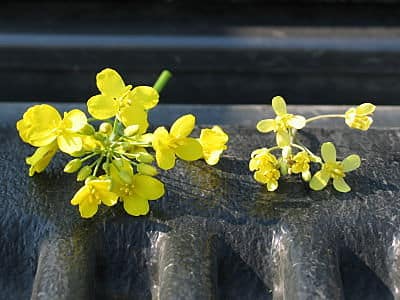
Sulphur deficient flowers on the right, normal on the left.

Canola has a high demand for sulphur. Because of high sulphur variability across most fields, the common recommendation is to apply 10-15 lb./ac. of sulphur when soil test results show adequate levels and 20-25 lb./ac., or more, when tests show deficient levels. Read more for product options and when to use them.

Reader question

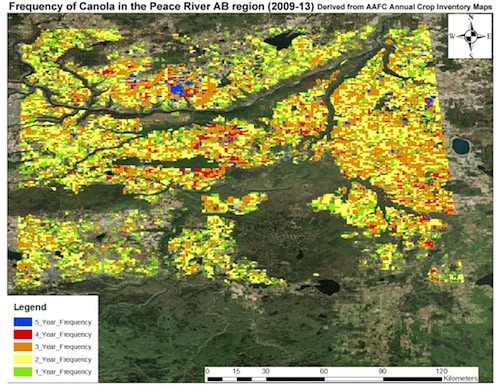
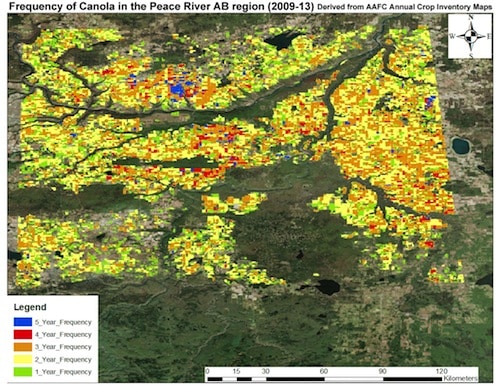
A Canola Watch reader asks: “I am interested to find out how many acres of continuous canola are actually in the Peace compared to other areas.”

Leander Campbell from Agriculture and Agri-Food Canada provided four maps, including this one….

5yrCanolaFrequencyPeaceRiverAB small

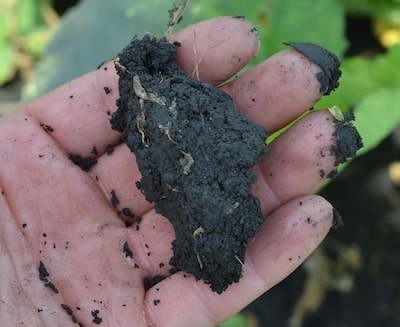
hand holding soil over a canola crop

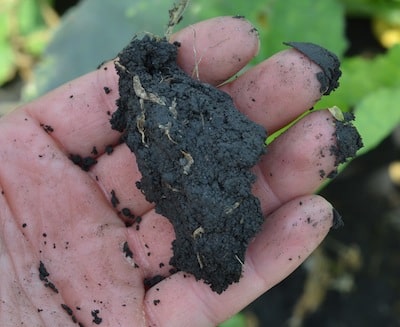
Does soil health really matter? YES

soil moisture

The CCC agronomy team asked Mario Tenuta, the University of Manitoba’s Canada research chair in applied soil ecology, if preserving soil health really matters, or can soil degradation be corrected simply by adding more fertilizer.

His answer:

“If growers ignore soil health, input costs will go up. Increased inputs can compensate and keep up with soil degradation for quite a while — perhaps several decades. But the cost of compensation will continue to rise over that period, and soil degradation will reach a point where yield can’t keep up no matter how many inputs are added….

Does continuous canola create a canola-friendly microbial environment? NO

Look out for clubroot patches in 2014 — even if the field is seeded to a resistant variety.

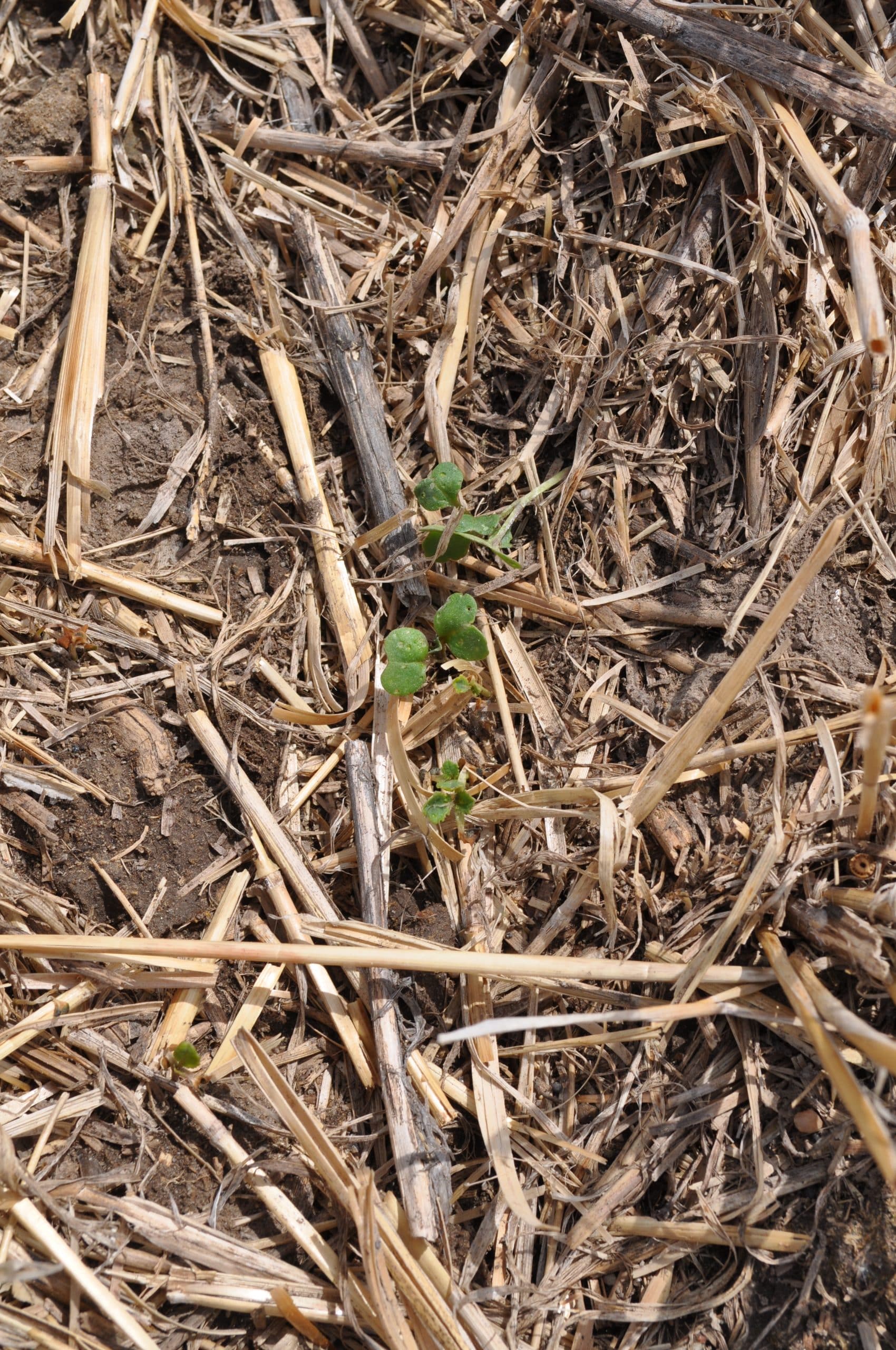
The CCC agronomy team asked Mario Tenuta, the University of Manitoba’s Canada research chair in applied soil ecology, if continuous canola can actually create a canola-friendly soil environment.

His answer:

“There are several examples where continuous cropping of other crops have created a soil microbial population that can keep down soil-borne diseases. Can the same happen with canola? Likely. However, this benefit cannot compensate for the significant yield loss associated with continuous cropping….