Good time to plan your 2015 fertility program

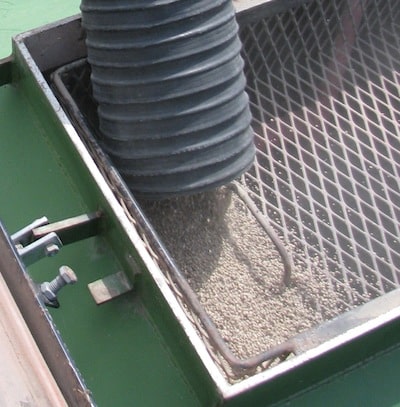
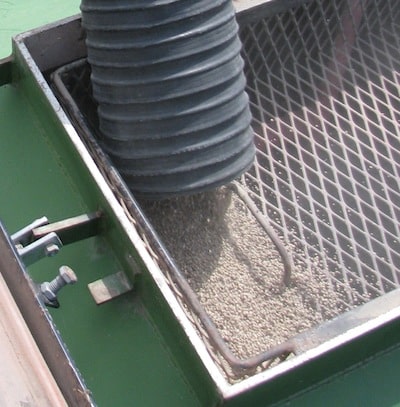
Fertilizer P going into drill

Whether you applied some fertilizer in the fall or apply it all in the spring, winter is a good time to assess your crop nutrition situation and make field plans and purchase decisions for the upcoming year. Here are some considerations the CCC team discussed in preparation for this month’s Canola Watch…

Dan Orchard on N soil tests

Dan Orchard

Nitrogen is quite mobile in the soil, and amounts can fluctuate year to year and depth to depth. Although some growers have success by using removal rates and target yields when making N decisions, a soil sample can be a great indicator and a good way to ensure intended rates aren’t too high or too low.

When determining how much nitrogen to apply, there are a couple of important factors growers should look at….

Late soil sampling

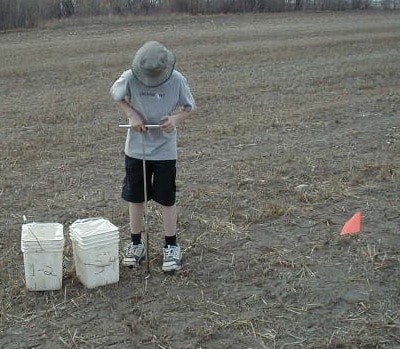
Fall soil sampling. Photo credit: John Heard, MAFRD

Microbial processes in the soil slow down as temperatures cool. Therefore, sampling late in the fall will provide a close representation of nutrient levels at seeding next spring. Fall soil tests give growers time to process samples and get results and recommendations. That information can be used to develop a fertilizer program for this fall or next spring.

How to reduce fall N fertilizer losses

A risk with fall application of nitrogen fertilizer is that denitrification and leaching will remove a large percentage of the applied fertilizer before seeding starts in the spring. This is a legitimate risk, as losses compared to a time-of-seeding application can be 30-40% in moist and warm conditions. To reduce this risk…

Agronomy for October

Late fall is a great time to take soil samples. Photo credit: John Heard, MAFRD

Green blues. By October, getting crop off becomes the priority. Green seed is unlikely to turn anymore unless a lot of moisture (snow?) comes, in which case harvest may be delayed until spring.

Cool days, but hot bins. Canola binned hot will retain that heat for weeks and likely months, with the risk of storage losses rising with each passing day.

Good time for weed control, but… You still want to apply herbicides on sunny and warm days for best results.

ProtectioN. Fall banding of nitrogen fertilizer is best done later to retain more of it for next spring.

But soil test first. Late fall soil tests give growers time to process samples and get results and recommendations in plenty of time for winter planning and purchases.

Pathotype shift = mind shift. Plan longer rotations for fields with the different clubroot pathotype.

Photo credit: John Heard, MAFRD
Fall fertilizer timing: Wait for cool soils

The key strategy of fall fertilization is to store nitrogen over the winter in the ammonium form – which is held on clay and organic matter – and is referred to as stabilized N.  Urea and anhydrous ammonia are both considered ammonium based fertilizers. When the ammonium form N is converted to nitrate by soil microbes, then it is vulnerable to …

Late fall is a good time for soil tests

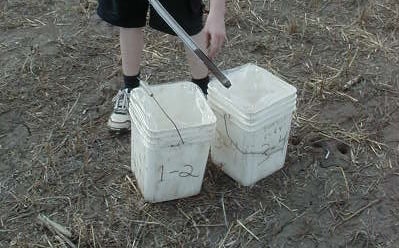
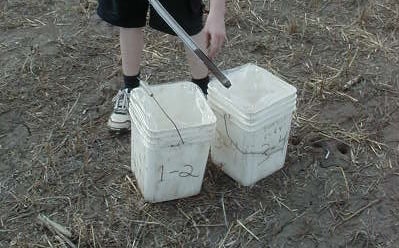
Fall soil sampling. Photo credit: John Heard, MAFRD
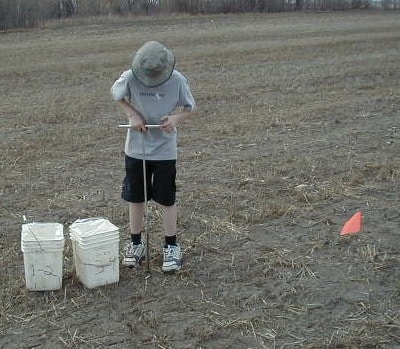
Take fall samples when soil temperatures drop below 10°C, or cooler. Because microbial processes in the soil slow down as temperatures cool, sampling late in the fall will provide a close representation of nutrient levels at seeding next spring. The cooler the better when sampling, but you want to make sure you can still get the probe down 24”. Submit samples for 0-6” and 6-24”.

Have you used a soil pH amendment?

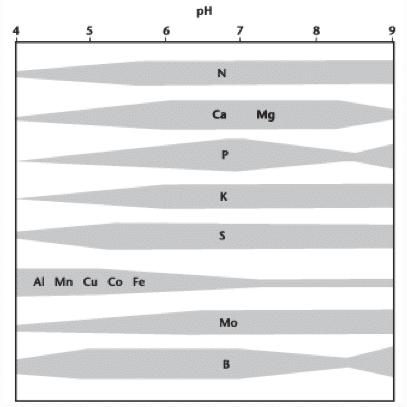
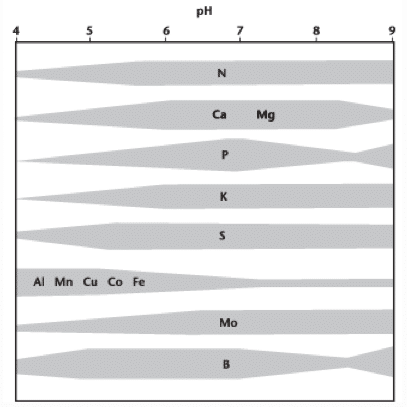
relationship_between_soil_ph_and_availability_of_various_elements

Soils with pH below 5.5 or above 8.5 can reduce canola yield potential, largely due to reduced nutrient availability. Amending soil with products such as lime to increase pH or elemental sulphur to lower pH can work, but it takes large volumes and a large investment.

How late can you top dress?

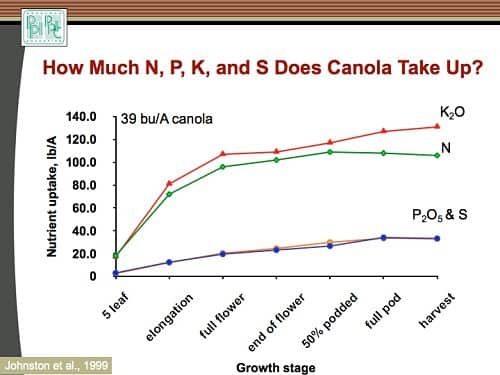
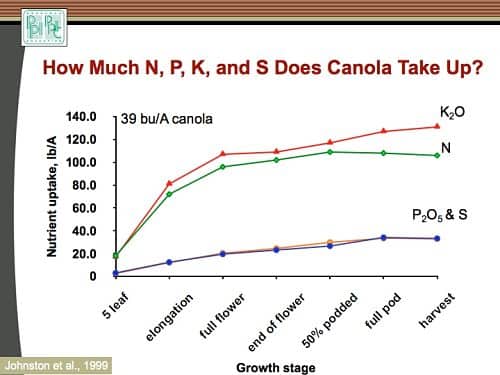
This graph shows nutrient uptake for canola. Having fertilizer in the root zone before peak uptake is the goal.

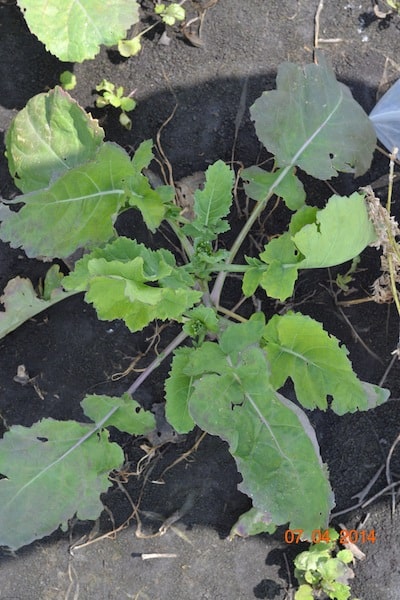
Sulphur and nitrogen deficiencies are showing up in some canola crops. The crop may not have received enough fertilizer to begin with, especially if this year’s rates did not compensate for high yields and high removal last year. Excess moisture may have added to nutrient losses.

Flowering is not an ideal time to top dress, and applications any time after early flowering may not provide an economic benefit. Late fertilizer needs to be applied to the soil surface and get a rain to move it into the root zone quickly for any chance of an economic benefit this year.

Excess moisture: Nutrient deficiencies

Moisture stress.

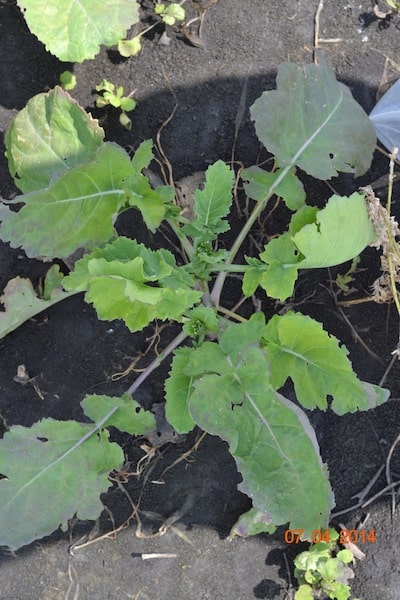
Canola in fields with excess moisture will often show various signs of stress, including yellowing, purpling, stunted growth — or all of three. Excess moisture creates two problems for crop nutrition: (1) It can remove nutrient from the soil. And (2) it can “drown” roots and make it impossible for them to take up nutrients — even if nutrients are present in ample quantities.