
In early to mid May, when seeding is in full swing and conditions are good, growers can slow down and take their time. Canola growers have four good economic reasons to do so….
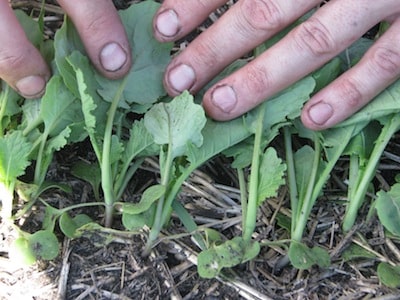
In early to mid May, when seeding is in full swing and conditions are good, growers can slow down and take their time. Canola growers have four good economic reasons to do so….


The new Canola Calculator has two tools to help growers set seeding rates and plant stands that match seed size, risk factors and estimated seed survival.
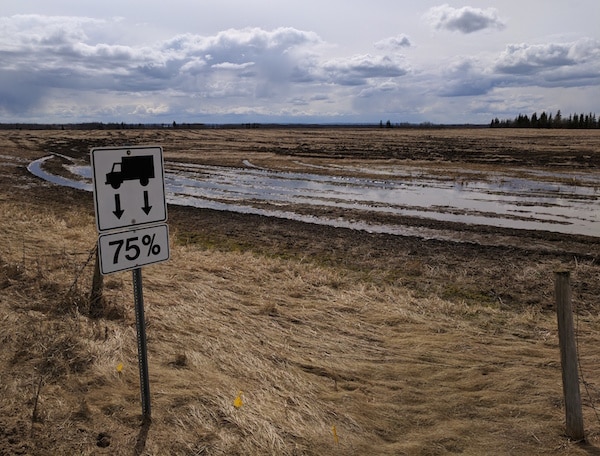
Many areas of the Prairies — particularly central and north regions — are at least one to two weeks away from seeding. This would put seeding at mid to late May. Those dates are still good for yield potential and are within crop insurance deadlines.
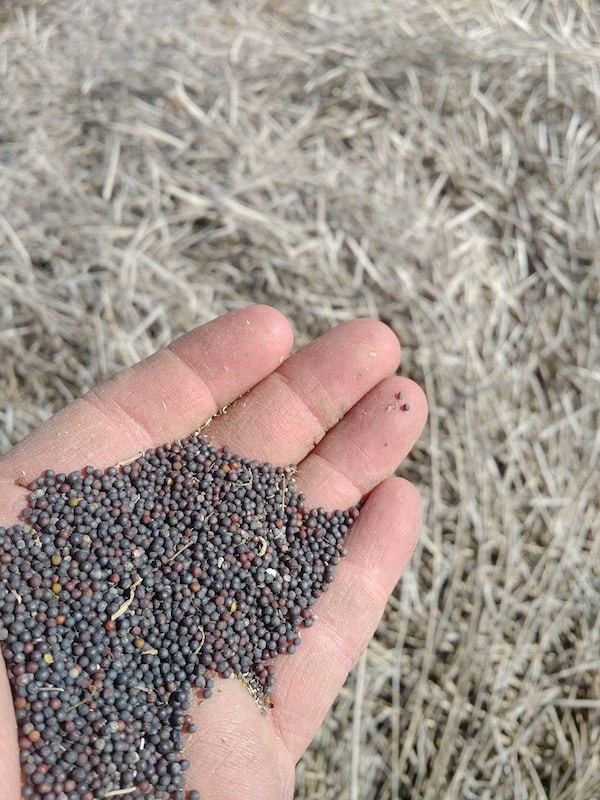

Alberta still has close to one million unharvested acres as of this week. Saskatchewan and Manitoba also have unharvested acres. Here are some considerations for those acres….
CCC agronomists are getting three common questions with regard to wet fields and unharvested. They are:
1. What if I plant canola on canola acres that are still not harvested?
2. What can we expect for seed mortality in excessively wet soils?
3. What to do about ruts?
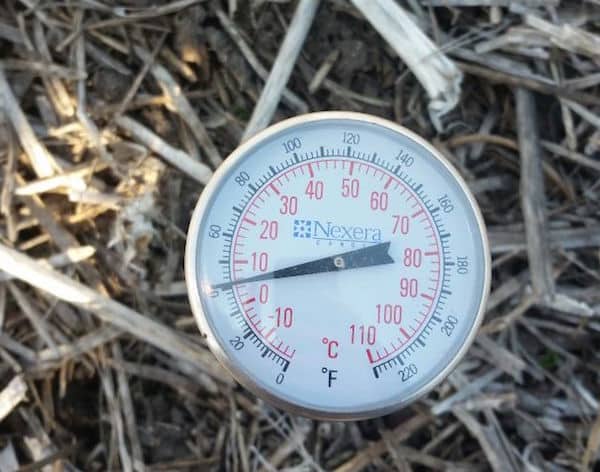
By early May, soil temperature at 1” depth — the canola seed zone — often exceeds this temperature during the day and should get continually warmer with each day. For this reason, soil temperature in May is less of a factor in the seeding-start decision than it would be in April.
The new target plant stand and seeding rate calculators at canolacalculator.ca will help determine the correct plant stand for an individual field.
The new target plant stand and seeding rate calculators at canolacalculator.ca will help determine the correct plant stand for an individual field.
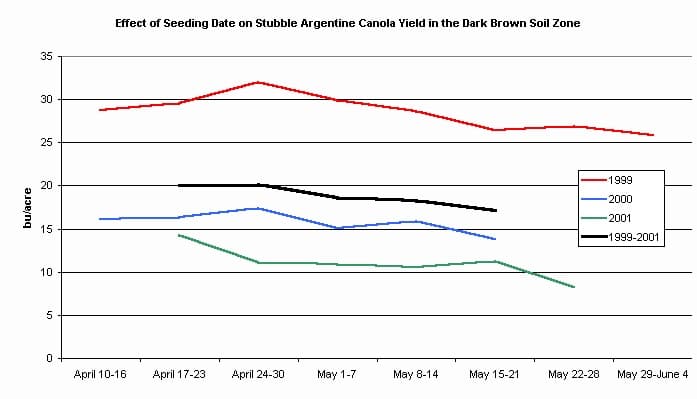
Past experience would suggest that starting on peas and maybe some cereals in mid April would be the preferred early-seeding choice, with canola going in late April and early May. Growers may see value in experimenting with one early-seeded canola field, but other crops tend to be better options for seeding in mid April.
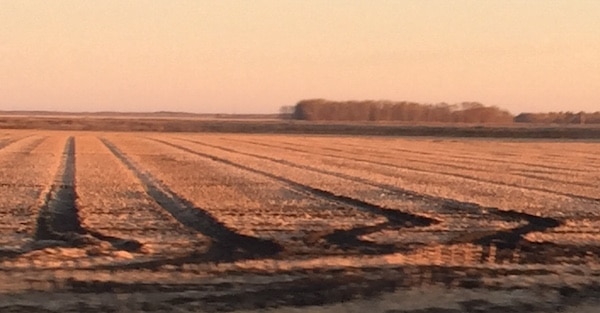

There are two problems with ruts in fields:
1. Ruts increase wear and tear on machinery, reduce operator comfort and disrupt the seed bed. They need to be filled in and levelled off before seeding in spring.
2. Ruts can mean potential hidden soil compaction which could extend to 24 inches below the depth of the rut. Soils are most susceptible to compaction when soil moisture is near (but not at) field capacity.
How to fix them….