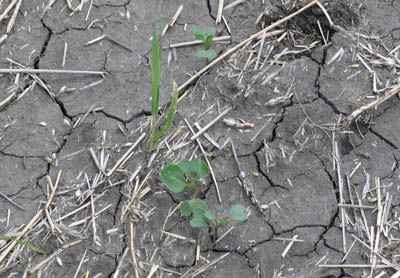
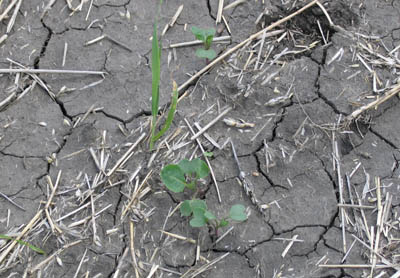
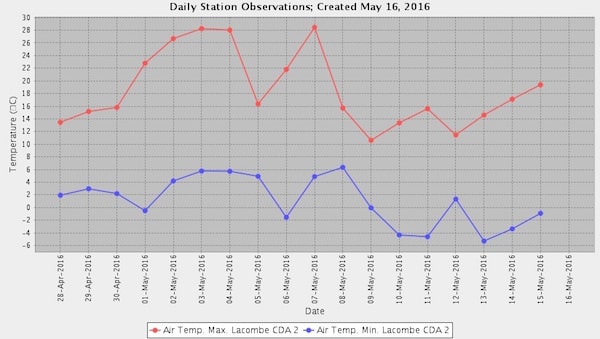
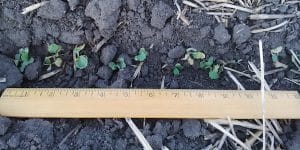
Canola seedlings at the canolaPALOOZA site in Lacombe, Alberta, were hit by three -4°C frosts and one -3°C frost over a five-night period May 10-14. Yet photos taken the morning of May 16 show that a decent number of seedlings survived.
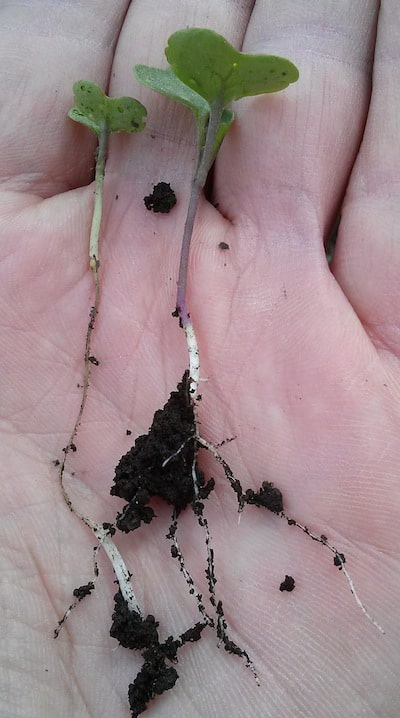

The week after seeding is a good time to verify seeding depth and to check seeds and seedlings for rots and blights. Disease damaged seed and seedlings die quickly, and may be gone within a few days, which is why this timing is important to an accurate diagnosis.
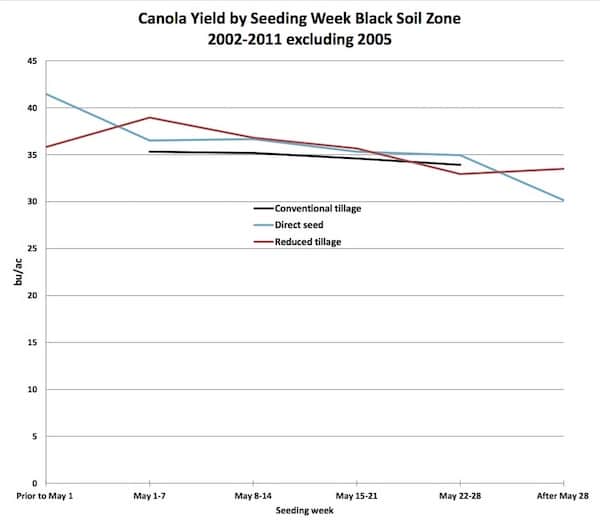

Seeding early May versus late May or early June, providing that crop conditions allow for it, is a relatively low cost way to increase yield and profit from the crop.
Yield potential for canola seeded in late May is not as high, generally, as canola seeded in early May, but it is still pretty good and better than for canola seeded in June. Given the current date, the argument in favour of reseeding a crop clearly thinned out and set back by frost or any other issue may have more merit.
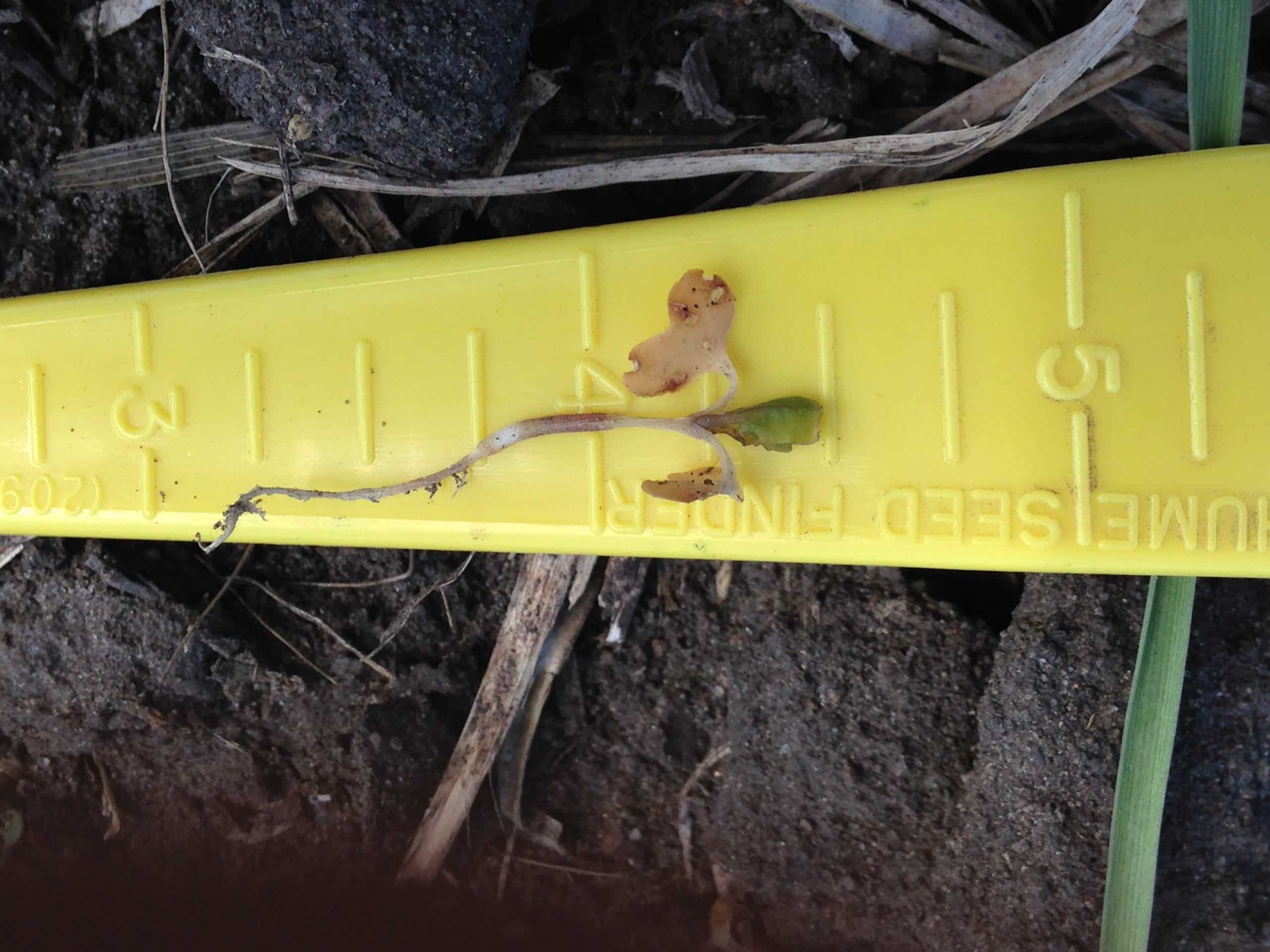

After a frost, it can take a few days to accurately determine how many plants survived, and whether the stand is still uniform. Be patient before making any decisions.
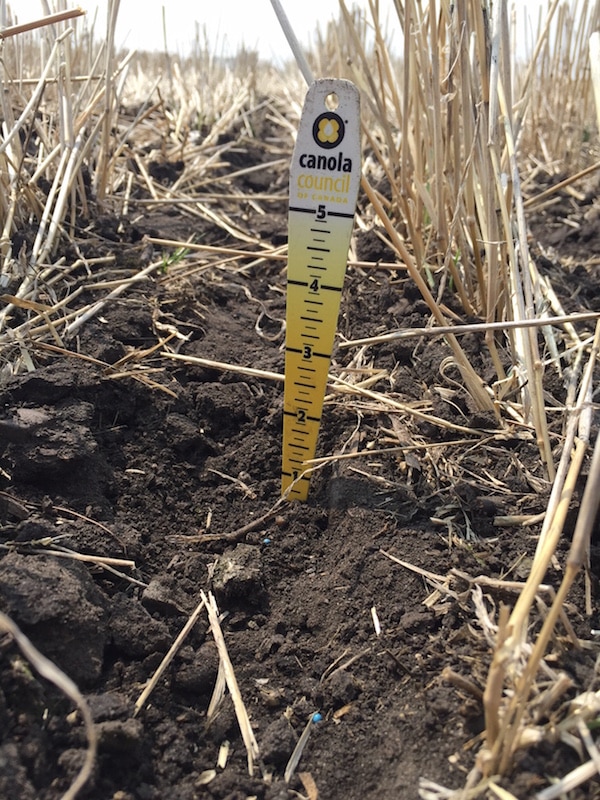

In dry soil conditions, growers may be tempted to seed deep enough to reach moisture. This is not necessary from April to mid-May. The common recommendation to seed no deeper than 1” still applies in dry conditions.
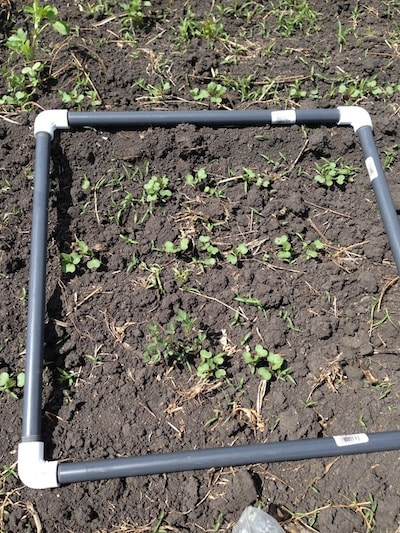

We had a grower ask about how many seeds per square foot he would have if he seeded 5g TKW seed at 5.5 lb./ac. Here are the steps to calculate…
Seedlings can be at significant risk from wind damage. Wind can dry out the seed bed. And high winds can blow seeds and seedlings right out of the ground, especially if topsoil is dry.
Crop yield has a lot to do with weather — rainfall, temperature, frost and hail are the biggies. Agronomic steps to reduce weather related risk can go a long way to help canola achieve higher yields under stress.