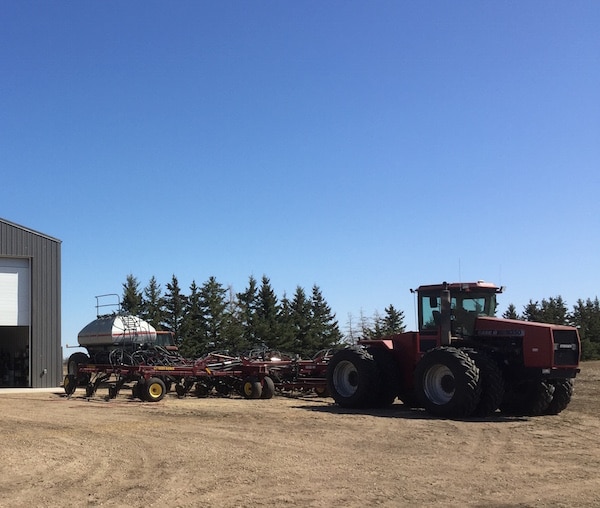
If the choice is to seed canola now into dry soil or wait until after it rains, seeding into dry soil is a workable option.

If the choice is to seed canola now into dry soil or wait until after it rains, seeding into dry soil is a workable option.

Here are 10 things to keep in mind when facing the decision to till or not:
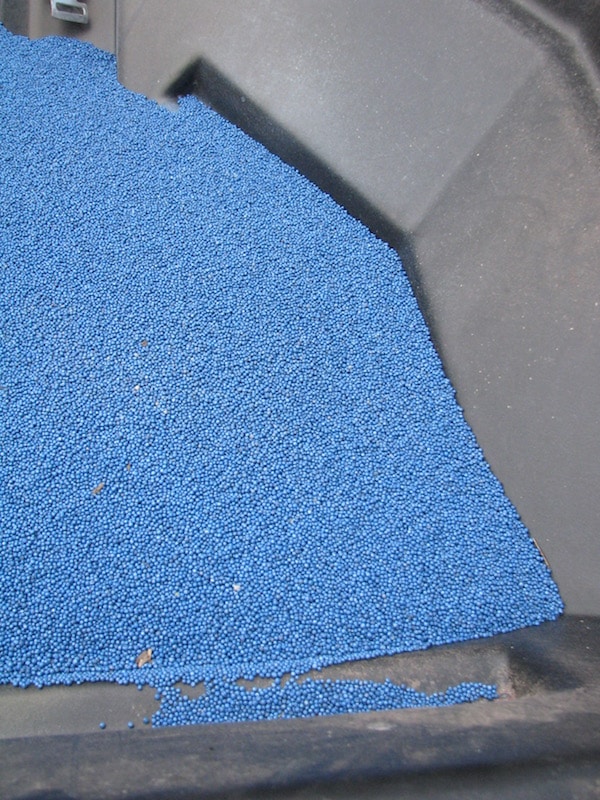

No.1 canola must have 90% germination or better at the time of sale. The seller is responsible to make sure seed complies with the grade on the tag. Growers can ask for the latest seed analysis when they pick up their seed.
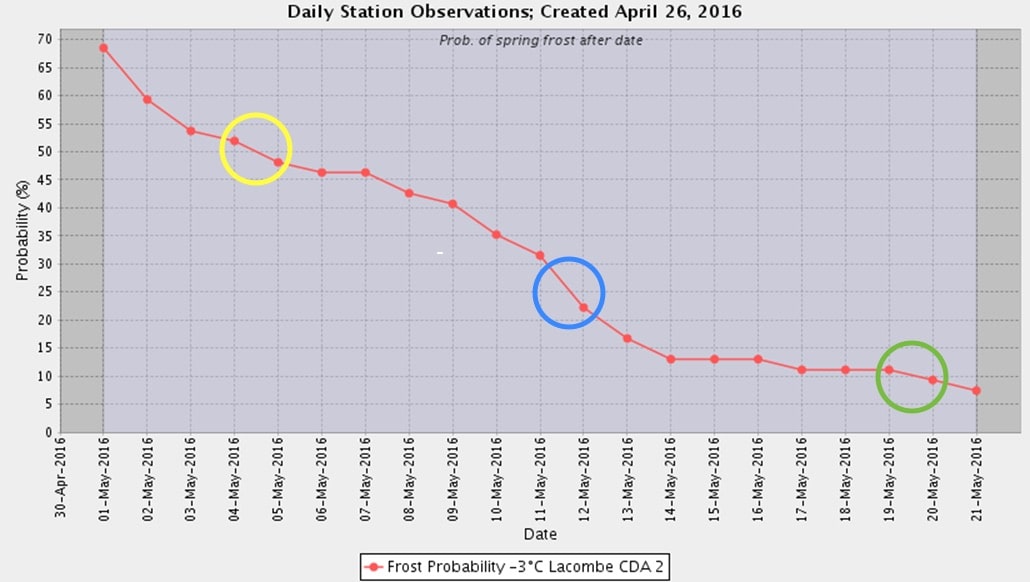

Seeding date decisions are often driven more by historical frost risk than present conditions. That is why many growers will not seed canola before May 1, even if their area had what seemed like favourable seeding conditions in April. Historical frost risk can be interpreted differently based on the crop’s frost tolerance and the grower’s appetite for risk.
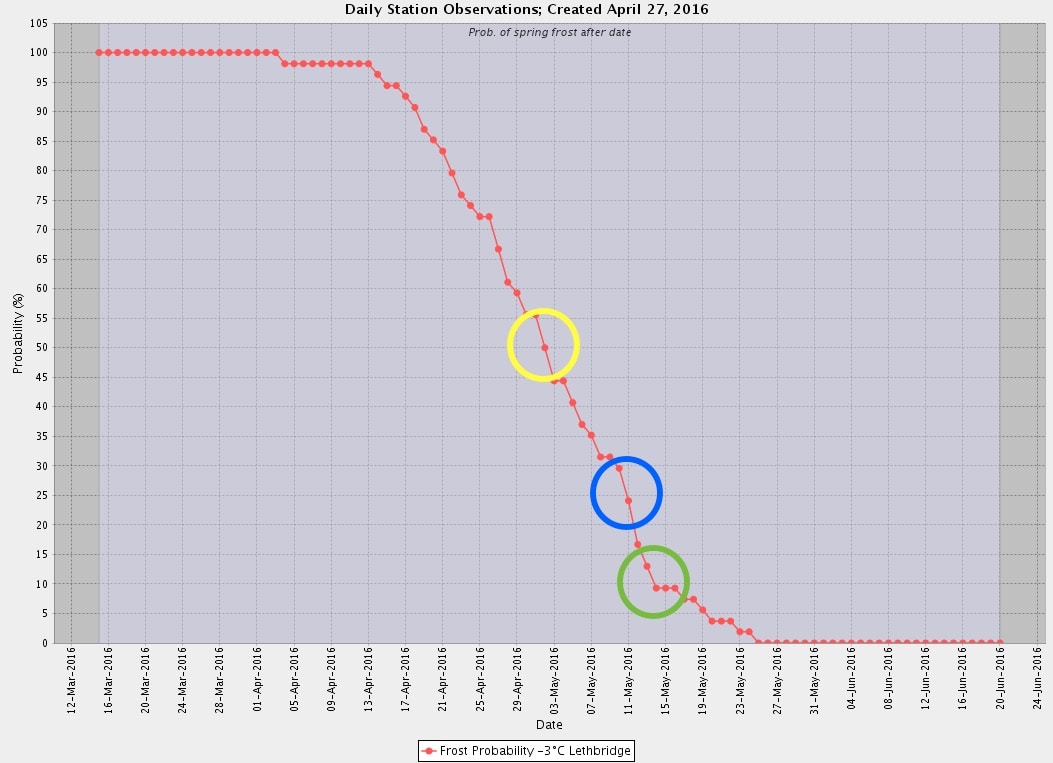
Ralph Wright, who leads the agro-meteorology division with Alberta Agriculture and Forestry, joins Canola Council of Canada agronomy specialist Autumn Barnes and host Jay Whetter in a discussion about frost risk and canola seeding dates. While the discussion focuses on Southern Alberta, growers and agronomists in all regions will learn from the discussion about frost data and probabilities. Here is …
If you have perfect seeding conditions in late April, should you seed canola? Early seeding usually improves canola yield potential and quality, but these benefits depend on survival of a sufficient plant population — ideally 7 to 10 plants per square foot, and a minimum of 4 to 5. An early-seeded crop that is thin and uneven because of a …
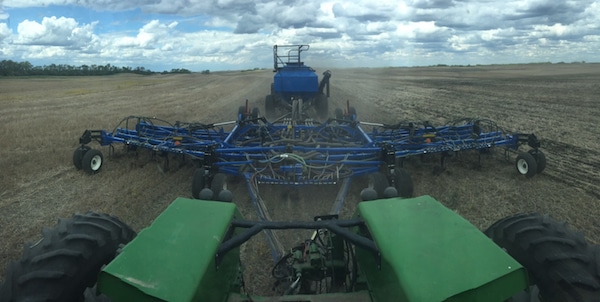
In dry soil conditions, growers may be tempted to seed deep enough to reach moisture. This is not necessary from April to mid-May. The common recommendation to seed no deeper than 1” still applies in dry conditions. Here’s why….
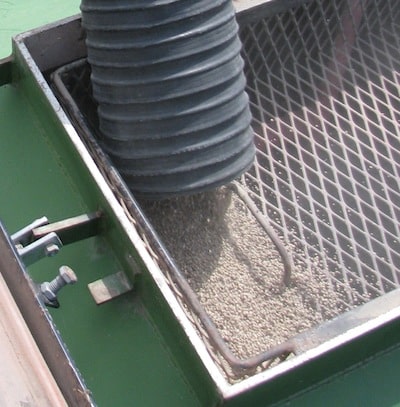
Growers with dry soil conditions may be tempted to reduce fertilizer rates. After all, if crops do not reach yield potential, reducing the cash outlay at seeding may mean that a lower-yielding crop could still be profitable. However, when it comes to canola in particular, fertilizing for average or target yields in spring is often the most economic practice — especially since seasonal moisture is so difficult to predict.

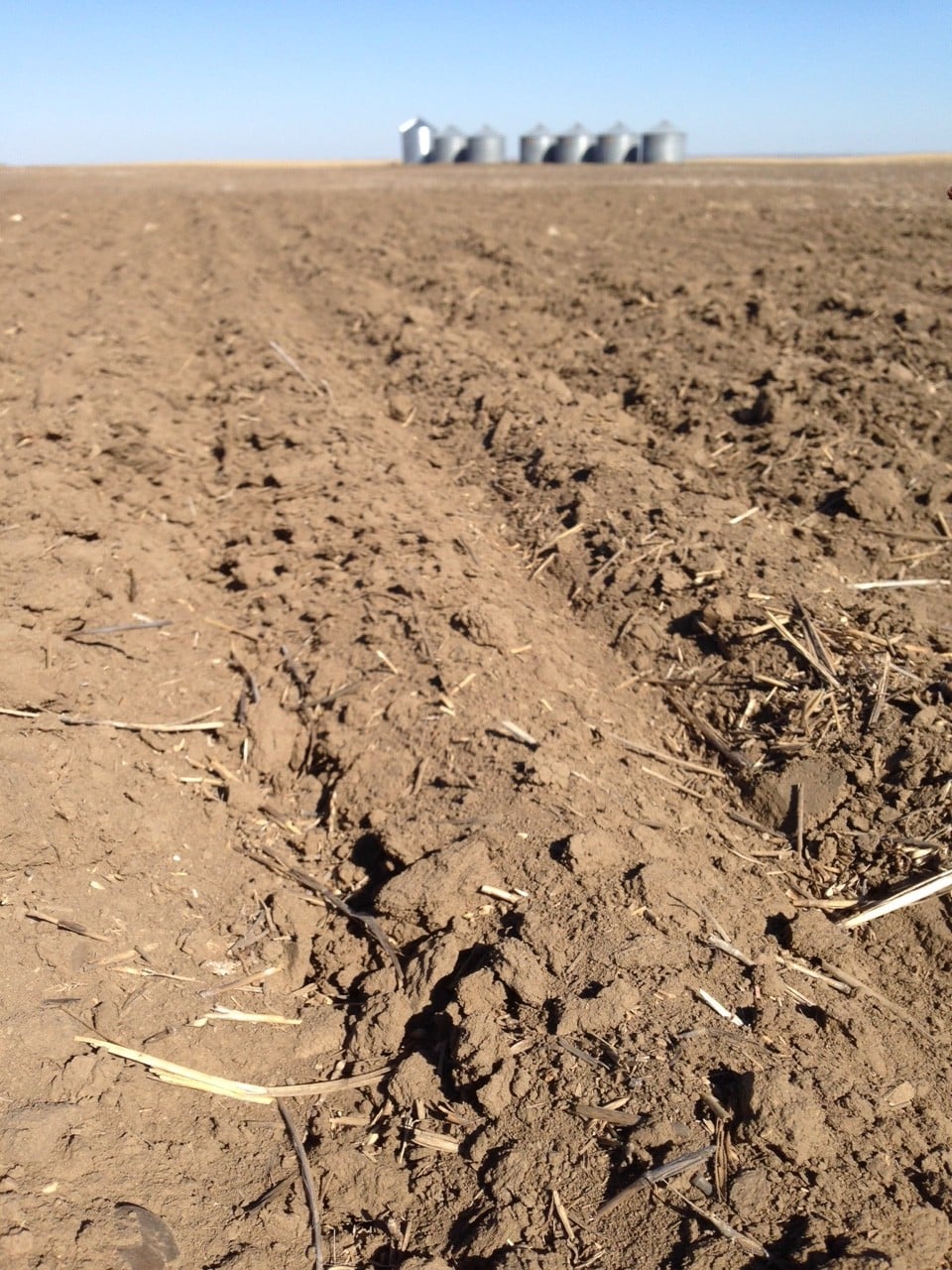

Tillage and harrowing in the spring can further dry out the seedbed. It does not conserve moisture.
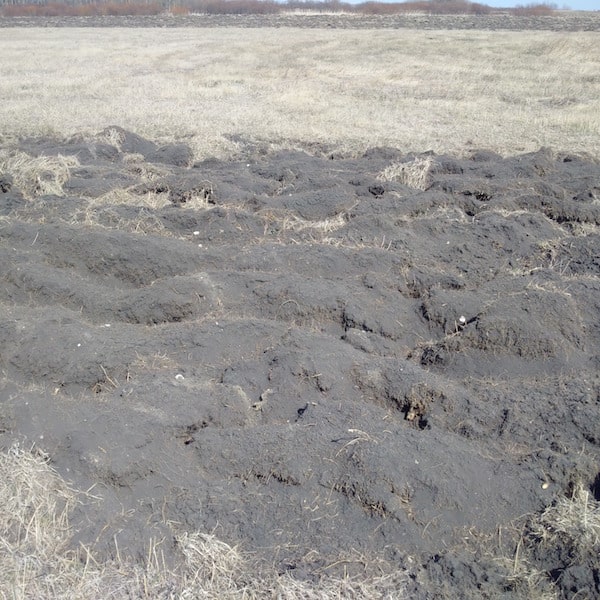
Transitioning land from perennial forages to annual crops is best done with herbicide applications the fall before. Brome and fescue can be hard to kill, and growers will be fighting these plants all season if they weren’t first sprayed last fall