
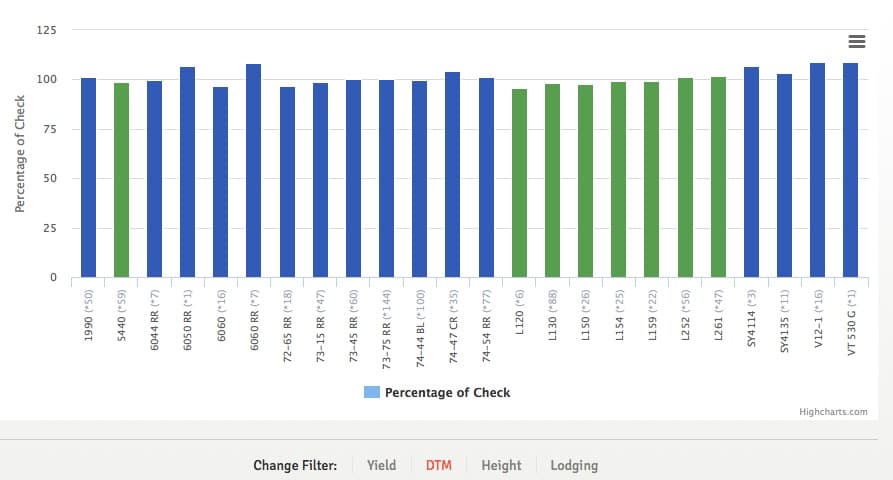
Data for the 2015 Canola Performance Trials (CPT) are still coming in and will be posted on the website once they are available. In the meantime, viewing the results from previous years can be helpful in making any seed booking choices. Data
Data for the 2015 Canola Performance Trials (CPT) are still coming in and will be posted on the website once they are available. In the meantime, viewing the results from previous years can be helpful in making any seed booking choices. Data
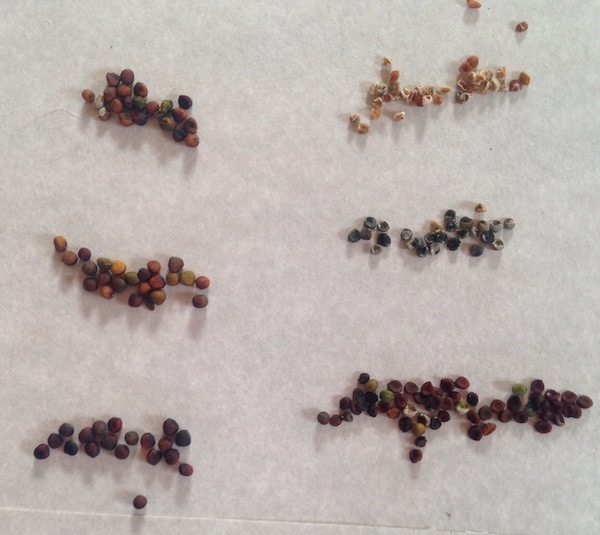
Reseeding looked like the right idea in many areas throughout the summer, but the real test is at harvest. If there was no risk of frost and the significant loss of grade and yield that results, we’d have a lot more canola go in after the soils reached 10°C and the spring frost risk was essentially over. Those are the …
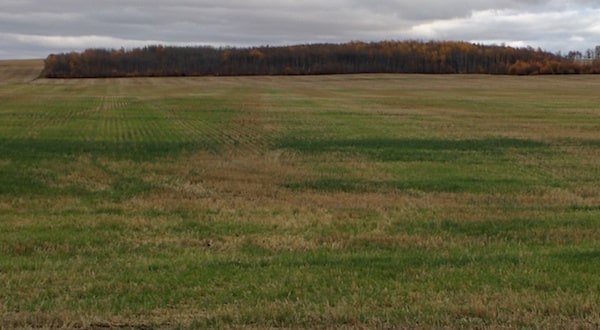

Good residue management in the fall will help enhance drill performance, allowing for increased seed survival and an overall better field uniformity in the spring. Changing the angle of vanes on the back of the chopper will help with the width and uniformity of residue spread.
Buying used equipment from a clubroot area can create an unexpected transfer of the disease. We heard this week of a grower from northern Alberta who bought a used combine from a known clubroot area. The grower was surprised at how much soil was on and inside the combine, and this soil very likely contained clubroot spores.
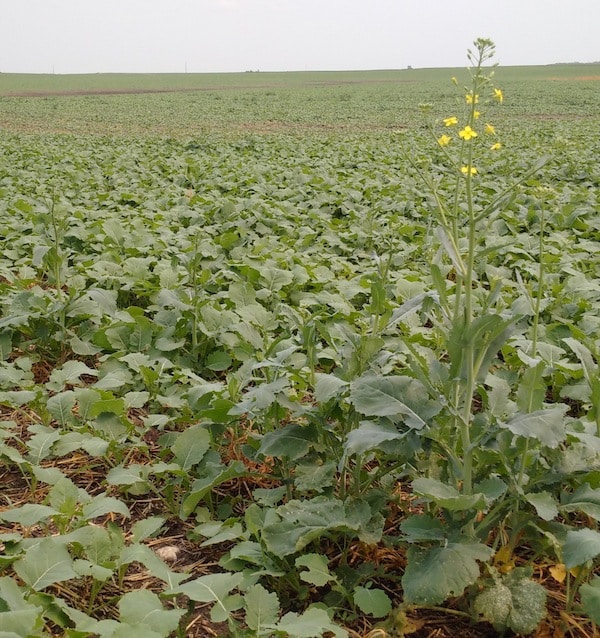

Various studies and crop insurance data show that canola seeded in early May tends to yield more than canola seeded in late May. Agronomy decisions are based on these trend results. But with the unpredictability of crop production, situations often come along that buck the trend. This year may be one of those years. Why?
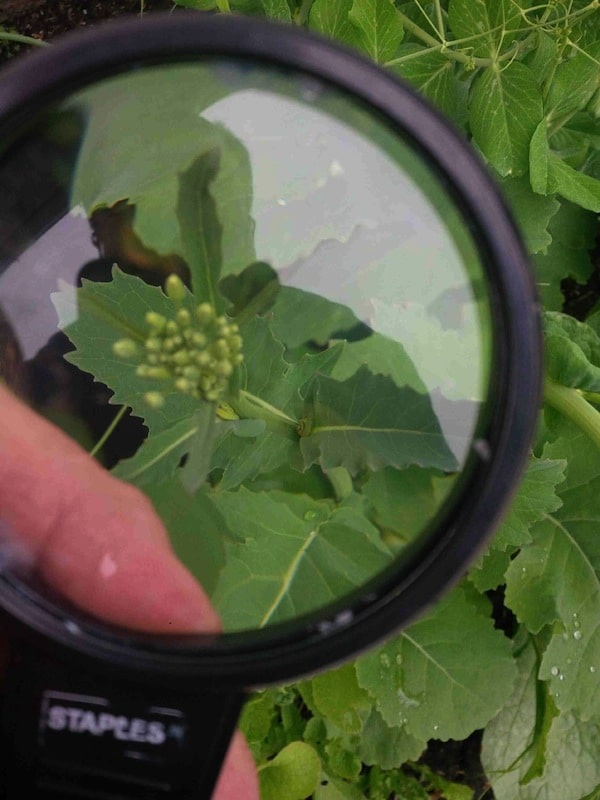

Canola plants have been going through a lot of stress, and could be showing multiple symptoms. Good sleuthing means leaving the truck seat, putting on your booties and walking the fields. Getting to the bottom of any mystery takes keen observation (got your magnifying glass?), an open mind (the most obvious answer is not always the right answer) and a touch of skepticism (not everything can be cured with a splash of this and that).
Here are some tools to get you geared up for problem solving:
What you need in your scouting toolkit
Canola Diagnostic Tool
How to use photos for agronomy
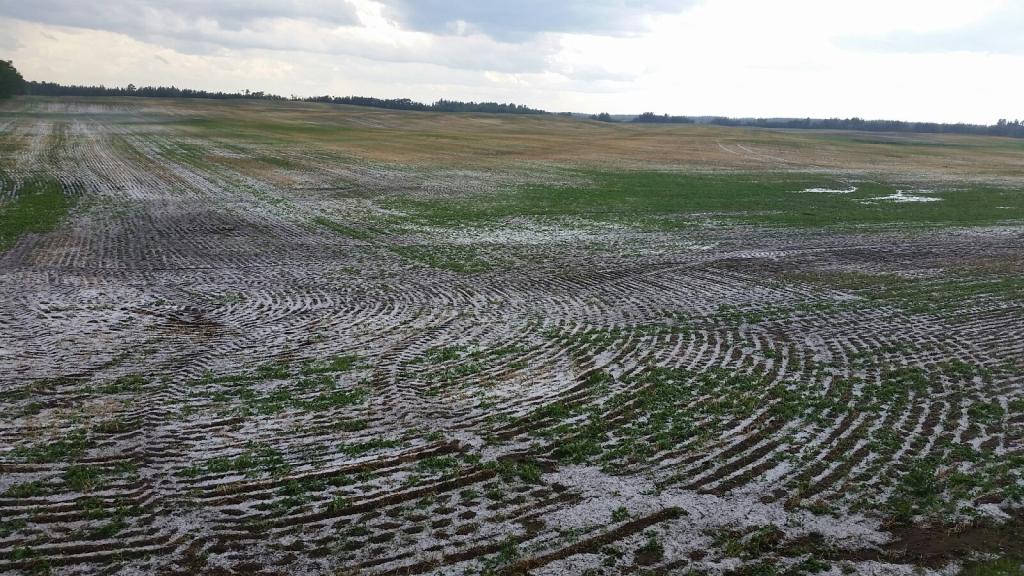

The later hail occurs, the higher the chance of yield loss, given that the plants have less time to recover. Plants with a broken main stem will likely die. Plants at the 6-leaf stage that lose most of the leaf area on the main stem can still live, but these leaves will not regrow. The plant will be delayed, and more of the yield potential — which will be lower than before the hail — will come from side branches.
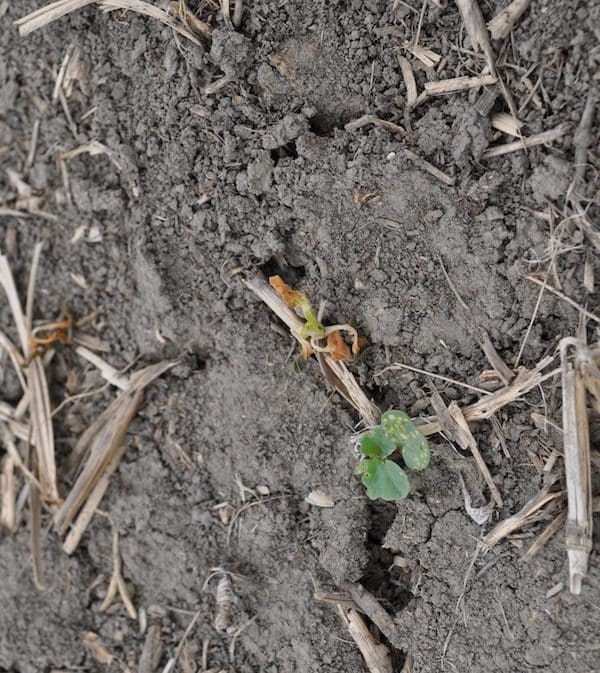

Many situations can lead to patchy canola emergence and growth patterns. Here are our top 10 for this year…
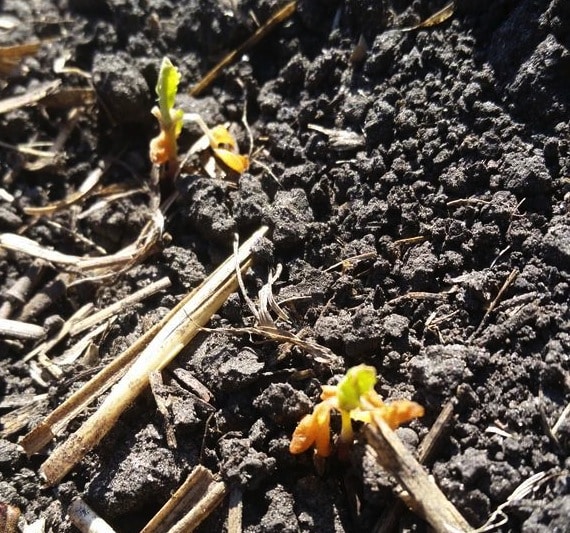

Widespread heavy frost on the weekend was the last straw for many canola fields that were already under stress from previous frosts, flea beetles, wind, dry conditions and in some cases excess moisture. Growers may choose to reseed as a last effort to save what has been a stressful May for some canola crops. However, canola can be surprisingly resilient — as shown in this photo from Terry Betcher of Swan River, Manitoba.
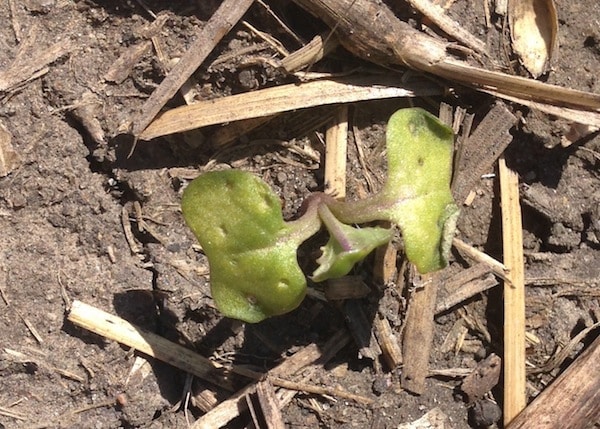

Wait for signs that canola plants have started regrowing before spraying after a frost.