Spray weeds or get seeding?

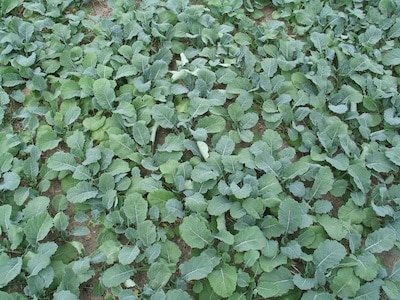
Seeding is a priority for many growers this week, but fields with a large population of weeds, especially advancing winter annuals, should get a pre-seed burnoff. For annuals and winter annuals, glyphosate needs only 24 hours to get to the growing point and set the control process in motion. After a day, the crop can be seeded. For perennial weeds, the recommended delay ranges from 3 to 5 days depending on weather conditions.
Plant counts: When and why?

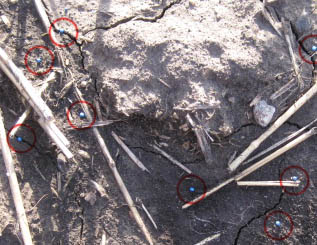
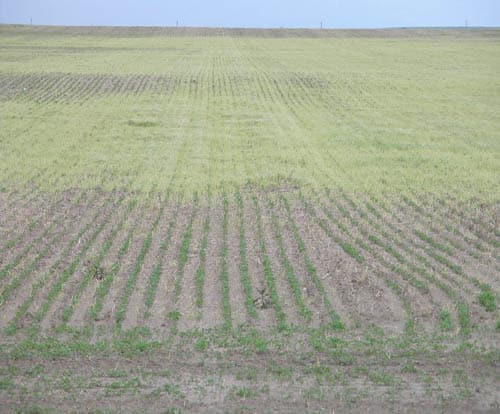
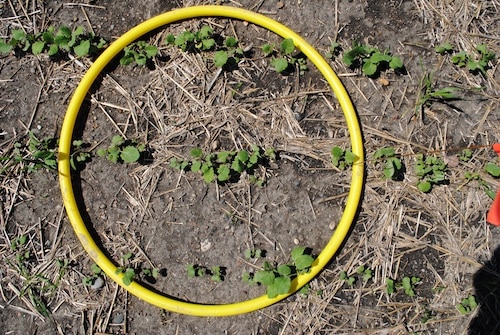
Growers could glean a couple useful tips about seedling survival by taking a plant count in last year’s canola stubble. It can also serve as a reminder to take seeding notes for each field. Record seeding rate, seed weight and seeding date for each field, and record weather parameters that will influence seedling survival — soil moisture (dry, moist, wet) and soil temperature (cool, warm, very warm) in the week after seeding.

Moist soil increases seedling disease risk

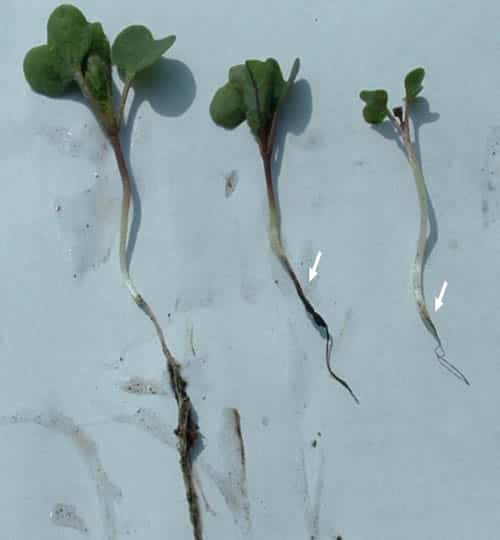
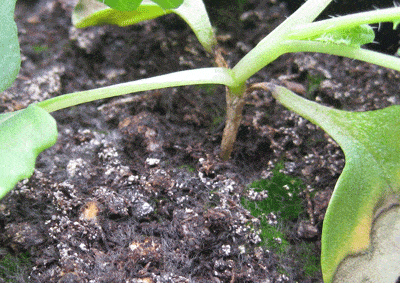
The seedling diseases risk increases with moist soil conditions and with tight canola rotations. The three best management steps for canola in this situation are: 1. Use treated seed. 2. Seed shallow. 3. Don’t cheat on the seeding rate, especially if seedling diseases have been a problem in past years.

Early seeded canola slow to emerge

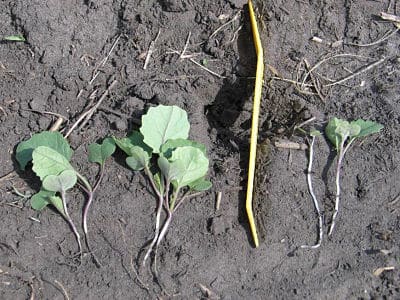
When the warmer weather returns, as is forecast later this week, canola still in the seedling stage that was seeded over 3 weeks ago may be at high risk of flea beetle damage. Also, dig down to look at the seed. A soft mushy seed is dead — likely from disease — and will not emerge.

How to calibrate the seeder between seed lots

Once the appropriate seeding rate has been determined, check that seeding equipment is properly calibrated to deliver the desired pounds of seed per acre. Consult the operator’s manual for recommended calibration instructions, or follow the procedure outlined in this article.

Broadcast seeding yields variable results

Best results from broadcast seeding came from fields that were fertilized early and harrowed to improve seed to soil contact. If field moisture conditions will allow growers to incorporate broadcast seed and apply fertilizer, then they’re not too far from being able to seed with the drill. May 9 is too early to park the drill and look at alternative seeding methods.

Tips to increase seed survival

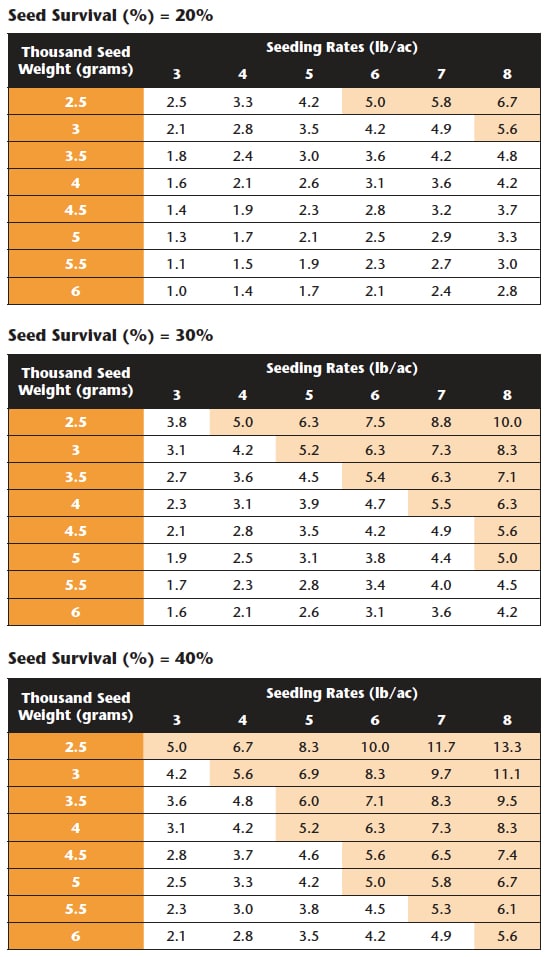
At the same seeding rate of 5 lb./ac., for example, you achieve a lot more plants per square foot at 70% survival than you do at 40% survival.

Dense uniform stand key for first time growers

A canola crop that starts off strong provides a buffer against most other problems that may occur throughout the season. New growers who may not be familiar with the pests and harvest management quirks of canola will benefit most from this buffer.

Test carryover seed

If seed carried over on the farm comes back with a low germination test, it is probably best to keep that seed separate and increase the seeding rate accordingly, assuming the viability is still high enough to be worth planting. If you can’t wait for germination test results before seeding, get the test anyway. If any problems arise with emergence, the germination test will be an important clue.

Scout early to detect seedling diseases

Growers who seeded canola a couple weeks ago will want to start scouting now for emergence issues. Often if seed and seedlings are damaged by rots and blights, which tend to be a more common occurrence in cool soils, they will quickly dry up and disappear. You need to act fast to accurately diagnose the problem.