
Western Canada has made great strides in adopting minimum tillage practices that save time and diesel fuel, improve soils and improve sustainability scores. Here are factors to consider before choosing the tillage option….
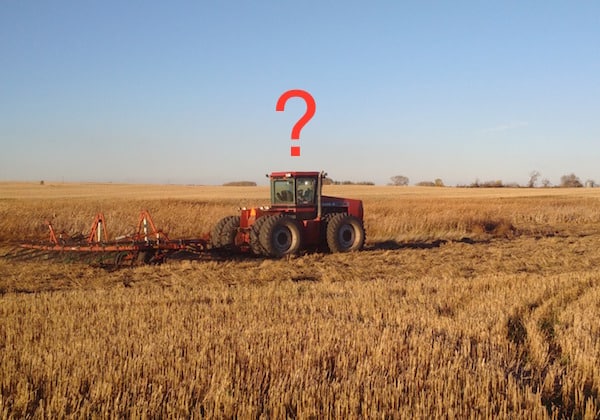
Western Canada has made great strides in adopting minimum tillage practices that save time and diesel fuel, improve soils and improve sustainability scores. Here are factors to consider before choosing the tillage option….
Decisions on what variety, nutrient or crop input product to buy are improved with good data. When looking for data, here are a few clues as to the quality of the data set…
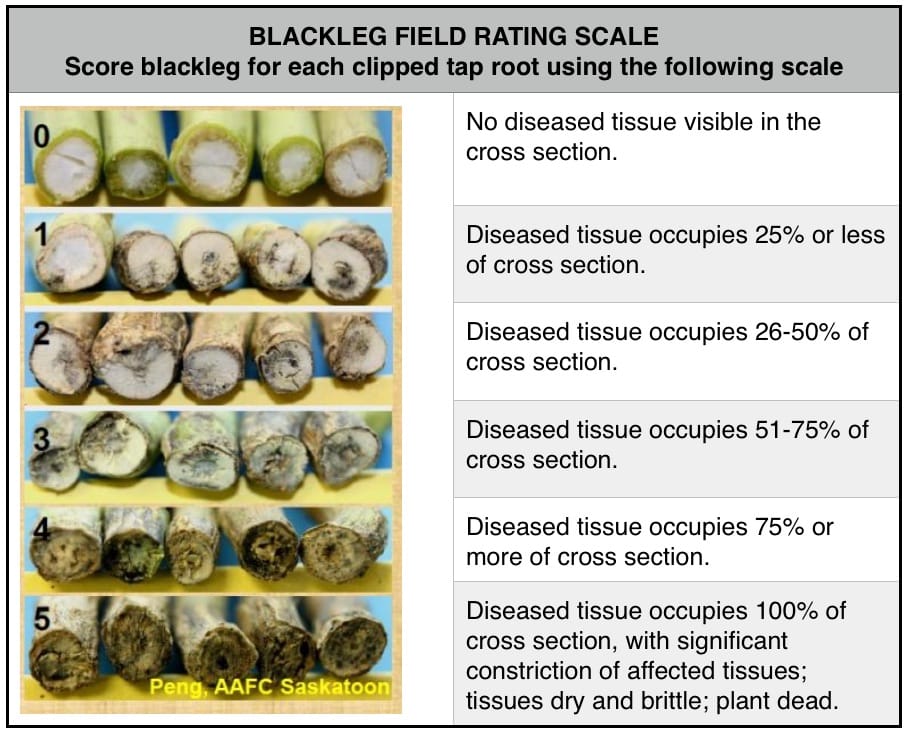
Many things can cause yields to be lower than expected. Crops that run out of nutrients may have significant biomass but smaller or fewer seeds in the pods. Moisture and other environmental issues — such as frost — could do the same. Disease is another big factor. Plants may look healthy at first glance, but taking time to clip stems …
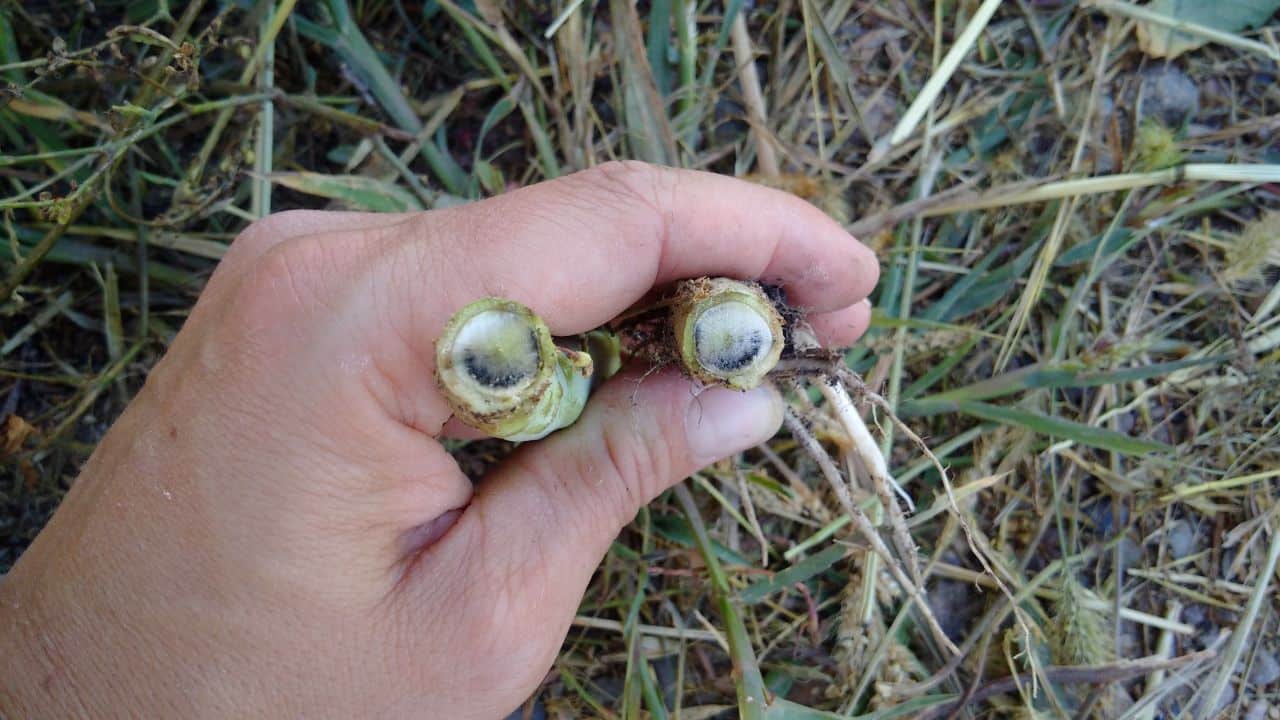

Crop rotation and seed decisions are improved when growers and agronomists have a good handle on the disease situation. Blackleg levels were higher than expected in some areas this year, and clubroot continues to spread. Knowledge of the incidence and severity of these two diseases provides an important head start in keeping them under control.
Moist conditions mean more soil clinging to machinery wheels. This increases the risk of moving clubroot as well as weed seeds and insect pupae around the farm. With the discovery of a potential new clubroot pathotype, growers will want to take time to sanitize equipment between fields.
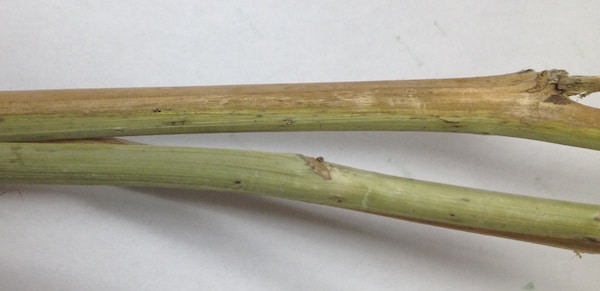

Verticillium wilt was found in a canola field in Manitoba in 2014, and a survey of approximately 1,000 fields across Canada is underway this summer and fall.
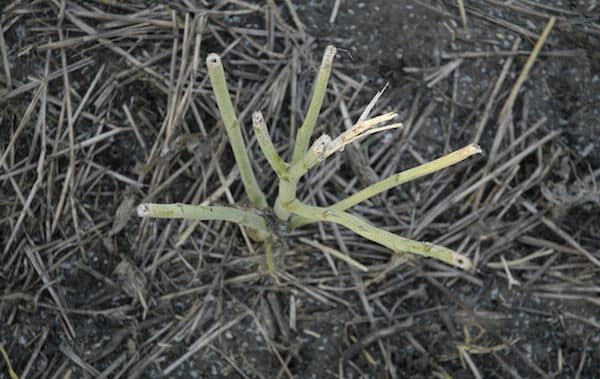

Tangled mature canola fields can be hard to scout. Swathing two full rounds before scouting makes it much easier to quickly check a number of plants in a few areas — including the back of the field. Here are things to look for….
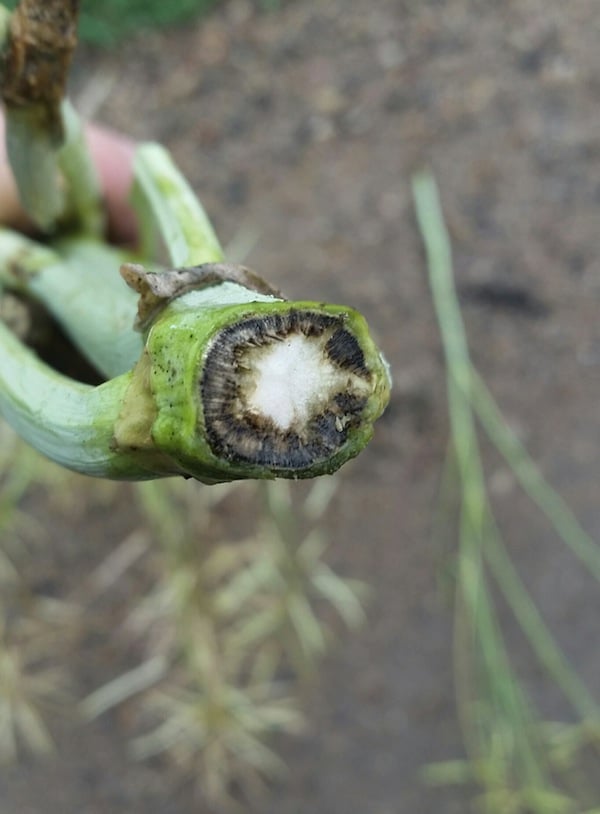

Three major stem diseases — blackleg, clubroot and sclerotinia stem rot — are more easily identified in the weeks leading up to harvest. Areas of the field with prematurely ripening plants and excessive lodging are signs that any one of these three diseases could be present.
Buying used equipment from a clubroot area can create an unexpected transfer of the disease. We heard this week of a grower from northern Alberta who bought a used combine from a known clubroot area. The grower was surprised at how much soil was on and inside the combine, and this soil very likely contained clubroot spores.
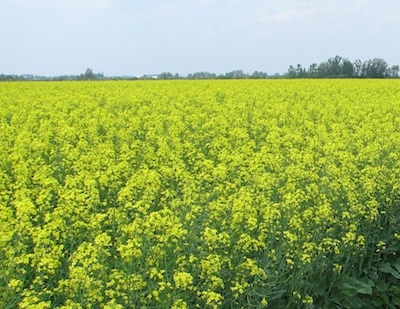

Improved moisture in some regions has extended flowering. Some fields have been at “full flower” for what seems like weeks. Highly variable crops may also be at full flower or their “most yellow” — other terms for 50% flower — for longer than typically expected. This does extend the sclerotinia stem rot risk. But that “risk” may still not be high enough to warrant a fungicide spray — given the risk was so low before and that late applications tend to have a reduced benefit for yield.