When it comes to maintaining Canada’s reputation as a high quality canola supplier, everyone in the canola value chain has an important role to play.
Keep it Clean: PHI and storage tips
When spraying, stick to the pre-harvest interval unique to each product. When prepping bins, follow canola storage recommendations….
Sclerotinia cycle and spray timing
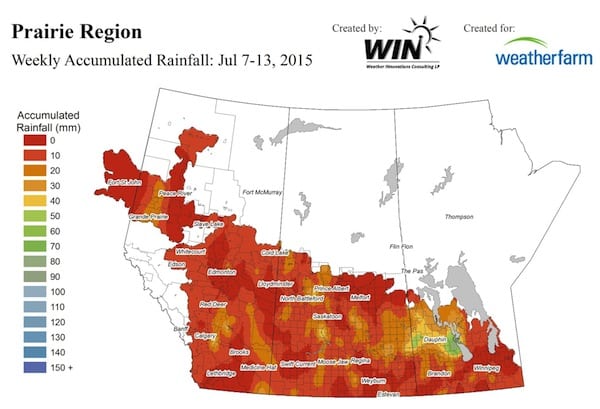
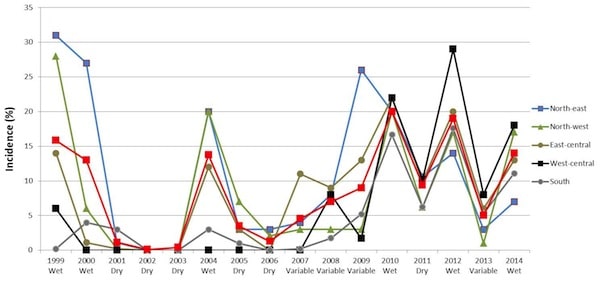
Scattered rain with more in the forecast will have growers wondering this week whether to spray fungicide to manage sclerotinia stem rot. Moisture is the key risk factor for sclerotinia stem rot. Without moisture a couple of weeks before flowering and humidity during and after flowering, disease severity and the return on investment from fungicide will be lower than if moisture is present all through these periods.
Keep it Clean, keep the customer happy
Canada exports 90% of the canola we produce, and our global customers won’t accept anything less than squeaky-clean seed. This time of year, the keys are to ensure a crop protection product applied won’t cause concern for canola exporters, and to know a product’s required interval between application and swathing.
Spraying a multi-staged crop

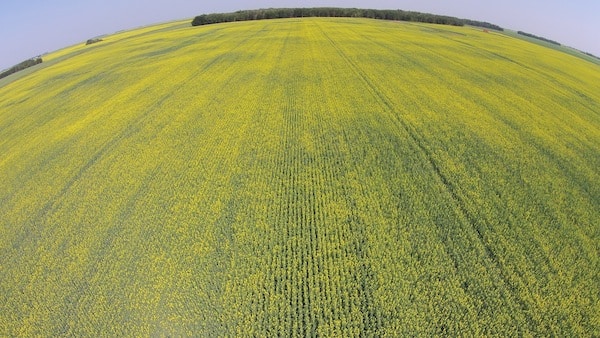
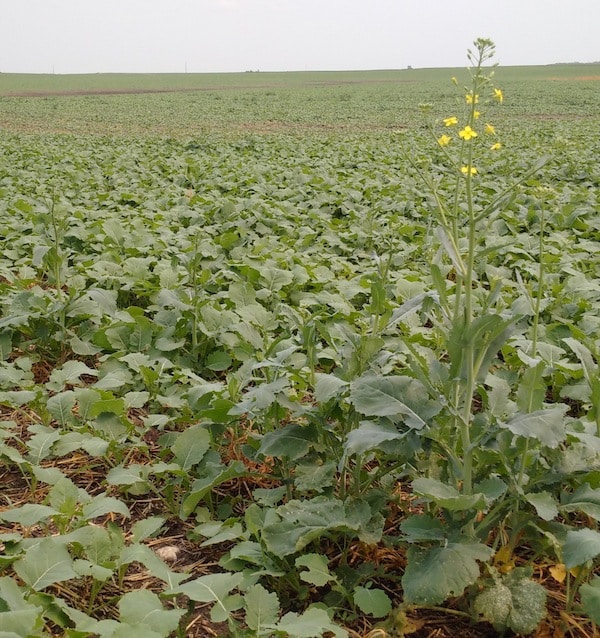
Crop staging comes into play for herbicide, insecticide and fungicide timing. So crops with plants at various stages — some at flowering, some barely at the bud stage, for example — present a challenge when deciding when to spray.
Sclerotinia risk: How low is it?
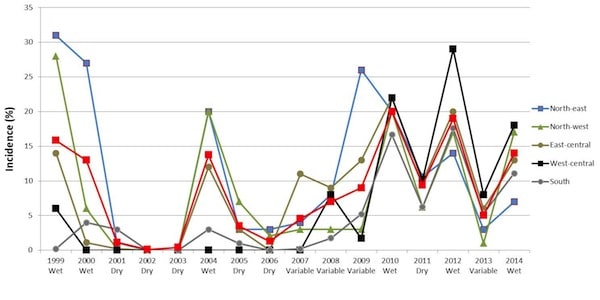
Moisture is the key risk factor for sclerotinia stem rot. Without moisture before, during and after flowering, disease severity and the return on investment from fungicide will be lower than if moisture is present all through these periods. Moisture can come as rain, dew and/or humidity above 80%.
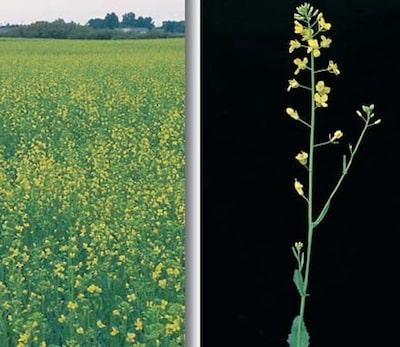
10%, 20% and 50% flower
Sclerotinia stem rot and cabbage seedpod weevil control timing depends on flowering stage. This article will help you estimate 10%, 20% and 50% flower.
Slow emergence and seed treatments
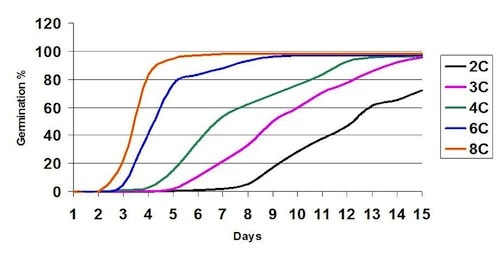
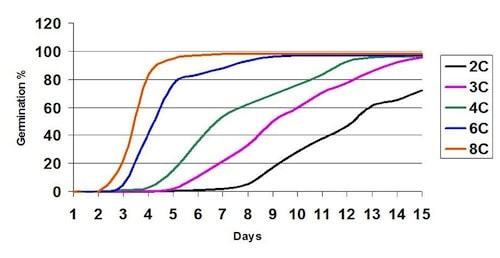
Slow canola emergence due to cool soils can increase the risks from seedling diseases and from flea beetles.
Clubroot resistance breakdown confirmed over a wide area in Alberta
Erosion of clubroot resistance is showing up in fields across central Alberta. Recent research by Alberta Agriculture and Rural Development (AARD) and the University of Alberta (U of A) has confirmed the continued spread, with multiple virulent pathotypes suspected. Some fields risk losing their ability to grow canola profitably until new genetic solutions or other management options become commercially available. …
You can test your soil for clubroot
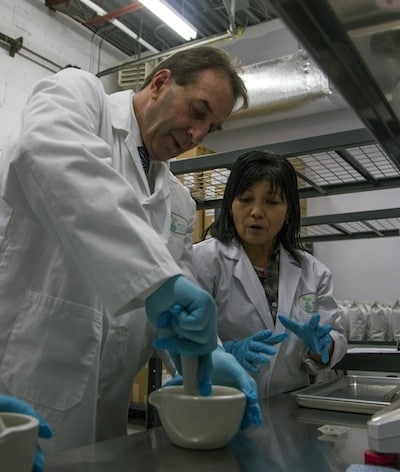
Growers can have soils tested for low-level presence of clubroot at Manitoba’s new Pest Surveillance Initiative (PSI) molecular detection laboratory.
The lab processes and analyzes soil samples for presence of clubroot at very low levels, prior to noticeable plant symptoms,