What is 20 per cent flower? When to spray an uneven crop? What is the right amount of moisture for disease? And more…
What is 20 per cent flower? When to spray an uneven crop? What is the right amount of moisture for disease? And more…

These three questions will help canola farmers and agronomists assess the sclerotinia stem rot risk in their areas.
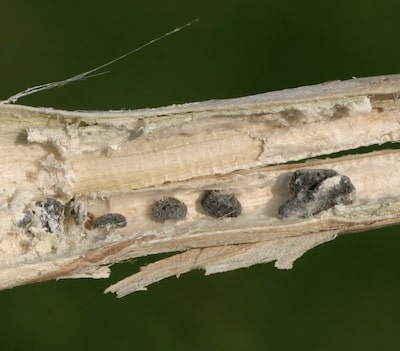
The decision to apply a fungicide to prevent sclerotinia stem rot may be generalized by answering these four questions: (1) Have environmental conditions prior to flowering been wet enough for apothecia development and survival? (2) Is the canola crop canopy dense and is yield potential high? (3) Does the weather forecast predict precipitation and/or humidity during the flowering period? (4) Is the pathogen present in sufficient quantities?

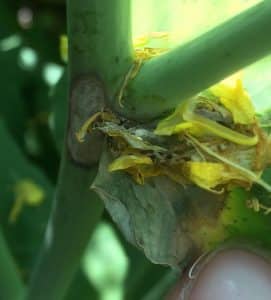
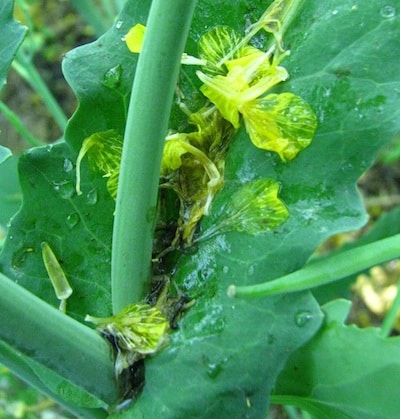
Once petals drop and start to decay, infection proceeds very quickly with lesions being visible in as little as 24 hours.

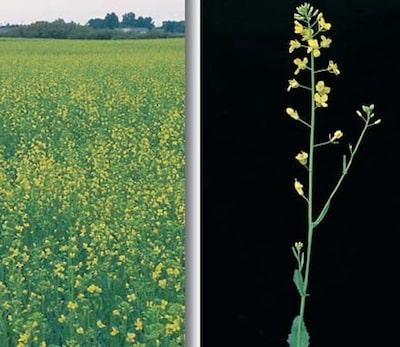
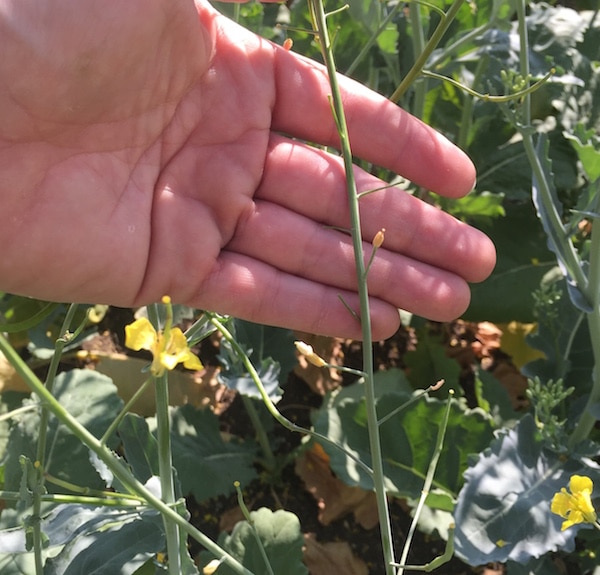
Timing and coverage are keys. For most fungicides, the recommended window for application falls between 20 and 50 per cent bloom, with optimum timing typically around 30 per cent bloom.
Hot, dry weather reduces infection rates and the progression of sclerotinia within the plant. The disease risk is limited when current conditions are dry, max daily temps are 30°C or more, and forecast is for this to continue for seven to 14 days. Hot weather can also increase flower and pod abortion, which could reduce overall yield potential. Return on …
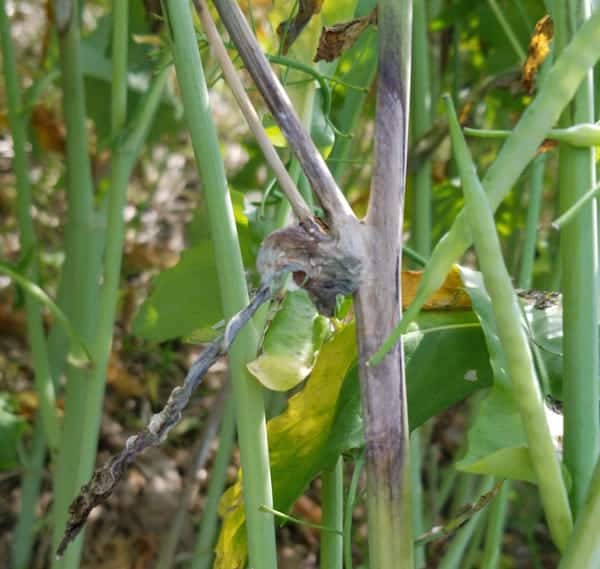

Sclerotinia stem rot could be a big problem in areas that started dry then turned wet and stayed fairly moist during and after flowering. The dry start to the season meant a lot of fields didn’t get sprayed with fungicide, even though conditions prior to and following flowering have favoured the disease in those areas.


Growers may see good reason for two applications (7 to 14 days apart as specified on the product label) if conditions are good for fungal growth and the crop flowers for a long period.
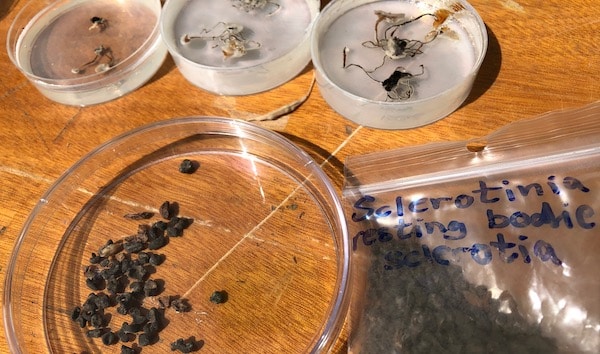

The decision-making process on whether to spray for sclerotinia stem rot in canola begins about three weeks before flowering. The situation leading up to that point is almost irrelevant, given the canola plant’s ability to crank up yield potential in response to improved growing conditions. Sclerotinia stem rot can go from no risk to high risk with a timely period of regular rains and humidity.