If conditions are dry at early flower and then it rains at 40% to 50% flower, spraying at the end of the window may be effective. This would be especially true if moisture also promoted a longer flowering window due to later compensatory growth.
If conditions are dry at early flower and then it rains at 40% to 50% flower, spraying at the end of the window may be effective. This would be especially true if moisture also promoted a longer flowering window due to later compensatory growth.
Small amounts of spores can lead to yield-robbing levels of sclerotinia in continued moist conditions. A petal test to confirm the presence of sclerotinia DNA on petals could be used to provide an indication of pathogen pressure at the time of petal collection.

Hot and dry or hot and humid? Hot, dry weather should reduce the risk of heavy sclerotinia infection, even if moist weather earlier promoted a lot of apothecia emergence and spore release. Hot, humid weather that leads to morning dew and a humid canopy can promote the disease. Keep in mind that even thought the sclerotinia fungus does not like to grow over temperatures of 30°C, night temperatures are often lower and will allow for fungal growth. But also keep in mind that hot weather during flowering can increase flower and pod abortion and reduce overall yield potential. Hot, dry weather during pod fill and ripening also reduces the progression of sclerotinia within the plant.

If conditions were dry, then turned wet, the sclerotinia risk depends on when this transition occurred.
Early dry weather doesn’t matter as much as long as you have moisture within the canopy leading up to and during the flowering period.
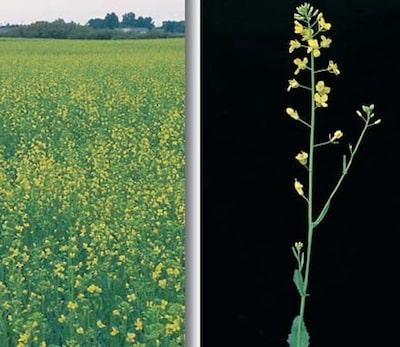
As a rough estimate, the 20% flower or “bloom” stage is when the main stem has around 15 “flowers”. Canola can reach 20% bloom in 4-5 days after first flower.
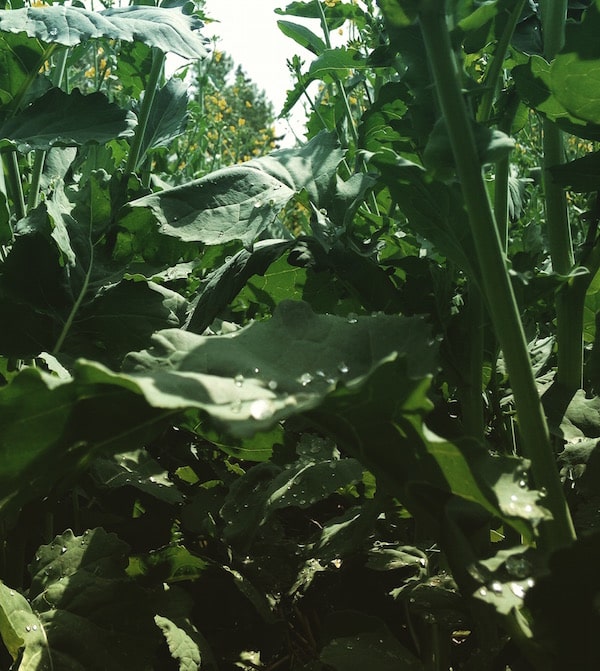

Prevalence of sclerotinia stem rot has a direct correlation to above-average moisture. If a field has regular rains or high humidity or both from two weeks before flowering and through flowering, then infection will likely occur. If growers decide to spray, the window for most products is 20-50% flower. Earlier is usually better as early infection on the main stem tends to cause the most yield loss.
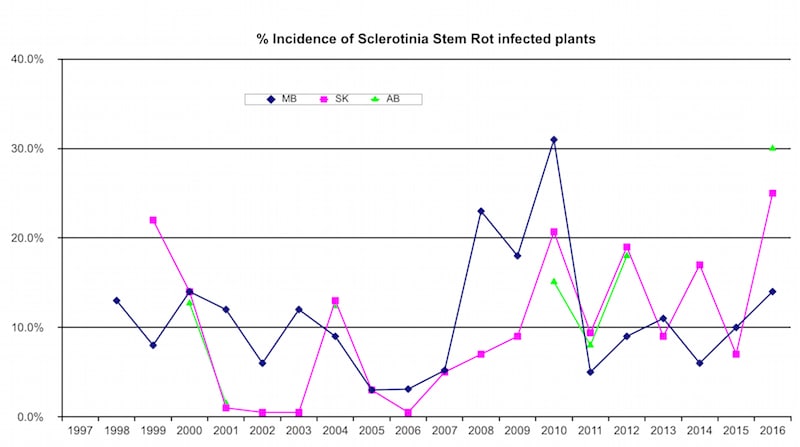

Results from the disease survey show increases in sclerotinia stem rot incidence. Blackleg incidence is down from 2015 in Manitoba and Saskatchewan and up in Alberta.
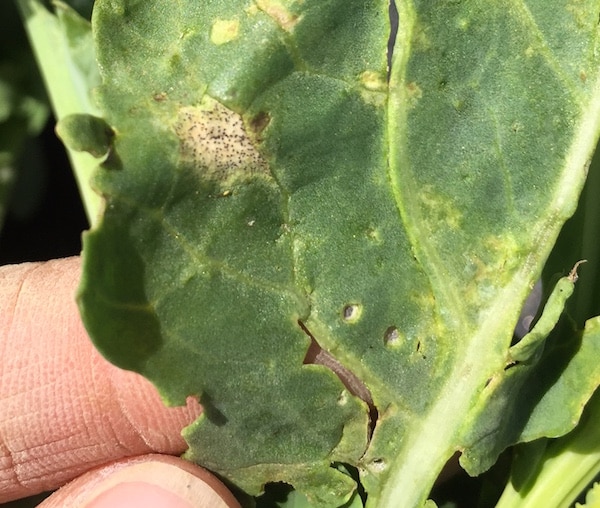
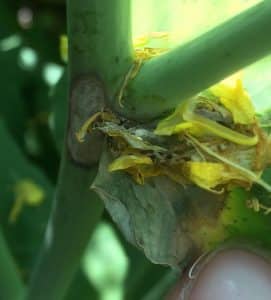
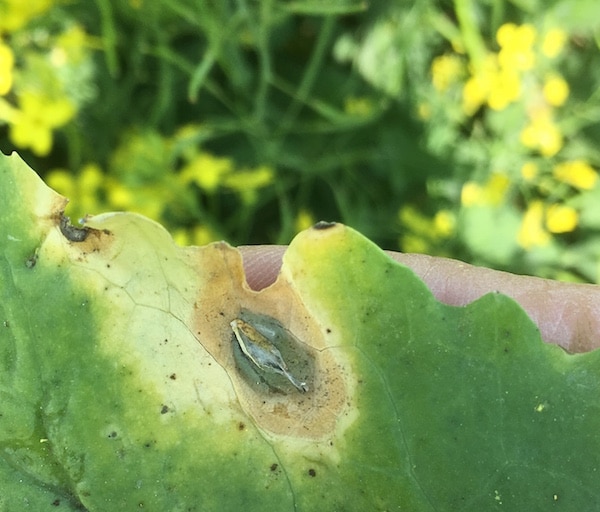
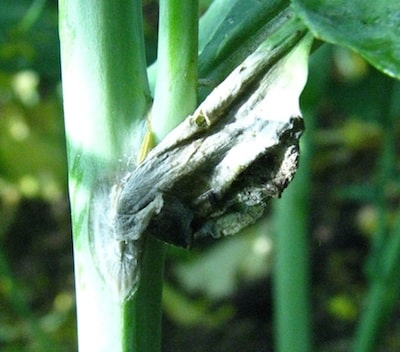
Learn to tell the difference between common lesion-causing diseases — blackleg, sclerotinia stem rot and alternaria black spot.
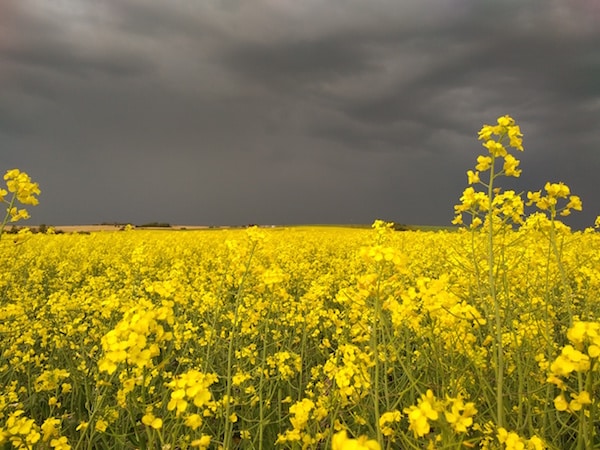

Heavy rains can increase the sclerotinia stem rot risk but they also make fields too wet for ground sprayers. This can delay timely applications, especially because demand for aerial applicators can make for long wait times. Here are scenarios that may help you work through this situation….
Factors that increase the sclerotinia risk, factors that reduce the risk, and situations where a second application may be warranted….