Here are a few questions we often get on sclerotinia stem rot management. Answers and links may help with your management decisions.
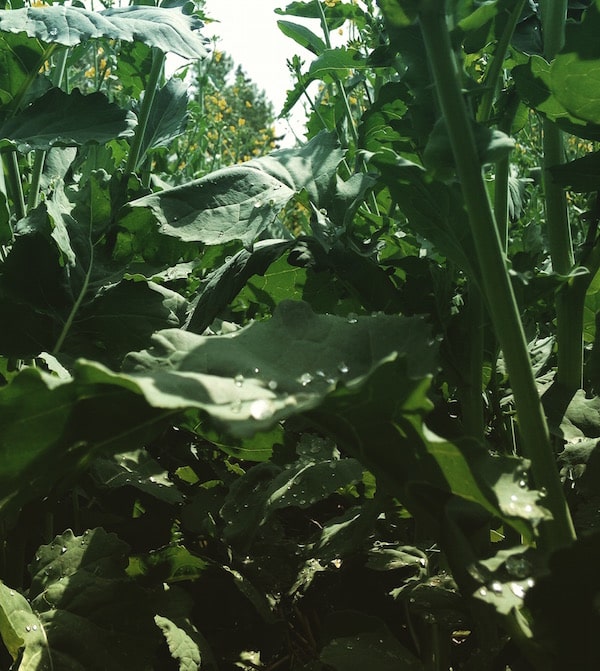
Sclerotinia: Risk factors and spray timing

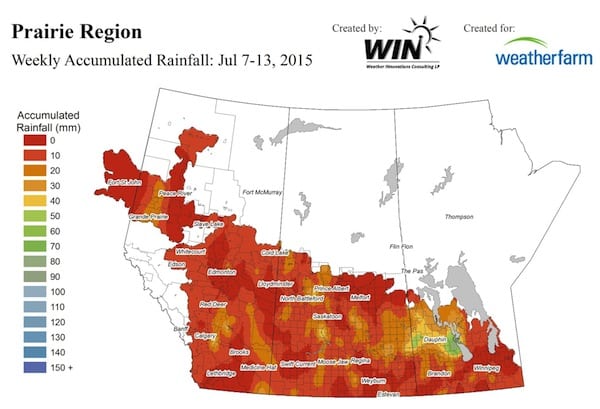
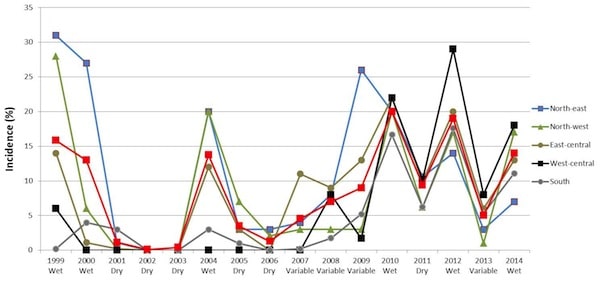
If a field has regular rains or high humidity or both from two weeks before flowering and through flowering, then infection will likely occur.
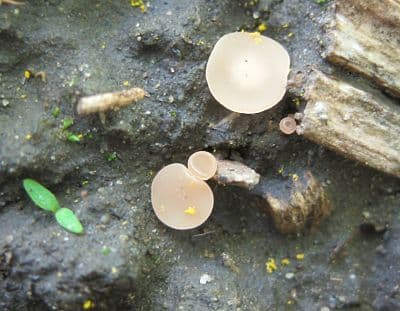
Sclerotinia stem rot risk: The basics
Earliest canola fields are coming into flower, and many areas of the Prairies have more than enough moisture to elevate the sclerotinia stem rot risk. Here are key risk reminders as we head into sclerotinia stem rot management season: —Prevalence of sclerotinia stem rot has a direct correlation to above-average moisture. If a field has regular rains or high humidity …
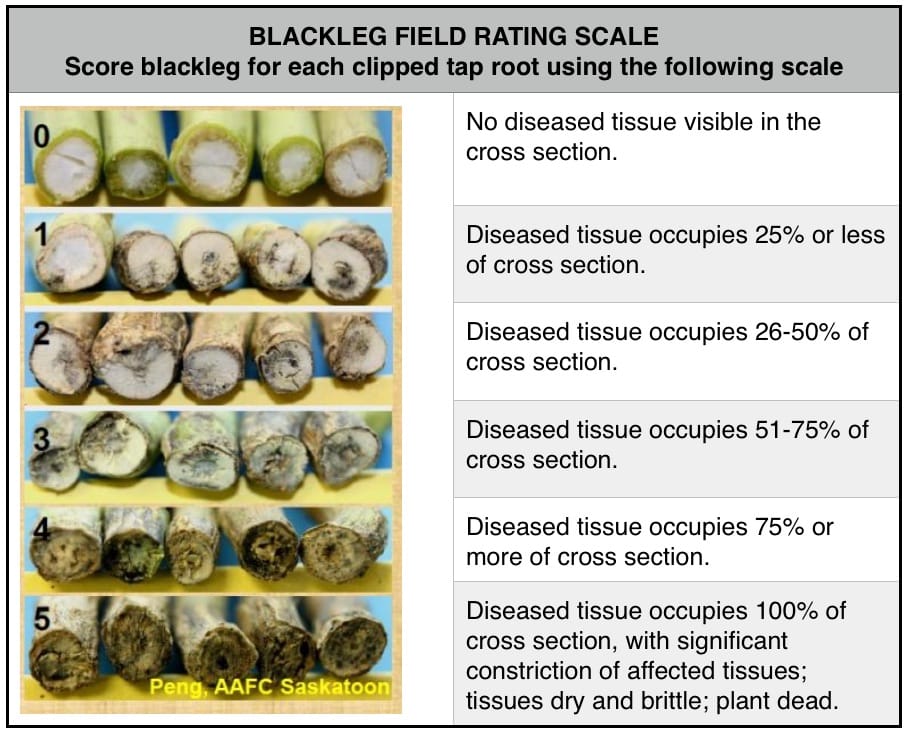
Low levels of blackleg can drop yields
Many things can cause yields to be lower than expected. Crops that run out of nutrients may have significant biomass but smaller or fewer seeds in the pods. Moisture and other environmental issues — such as frost — could do the same. Disease is another big factor. Plants may look healthy at first glance, but taking time to clip stems …
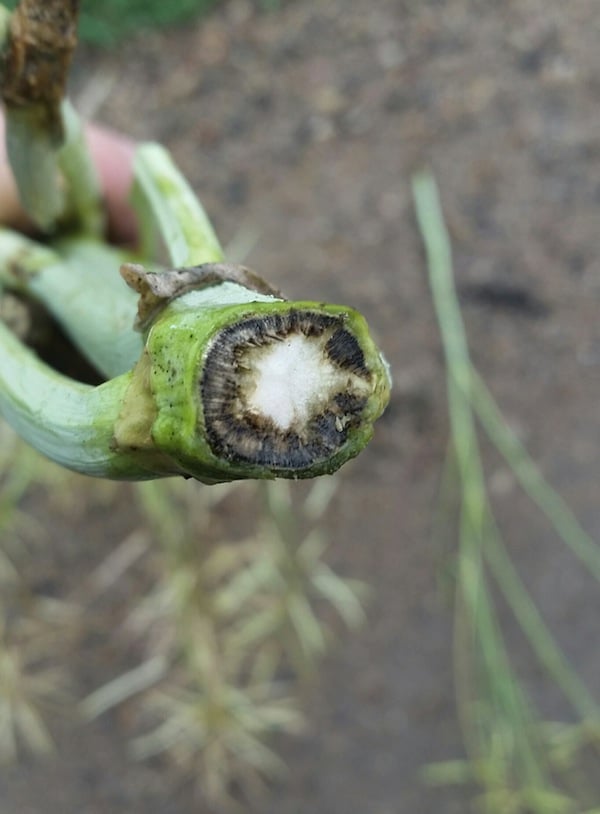
Begin your pre-harvest disease watch

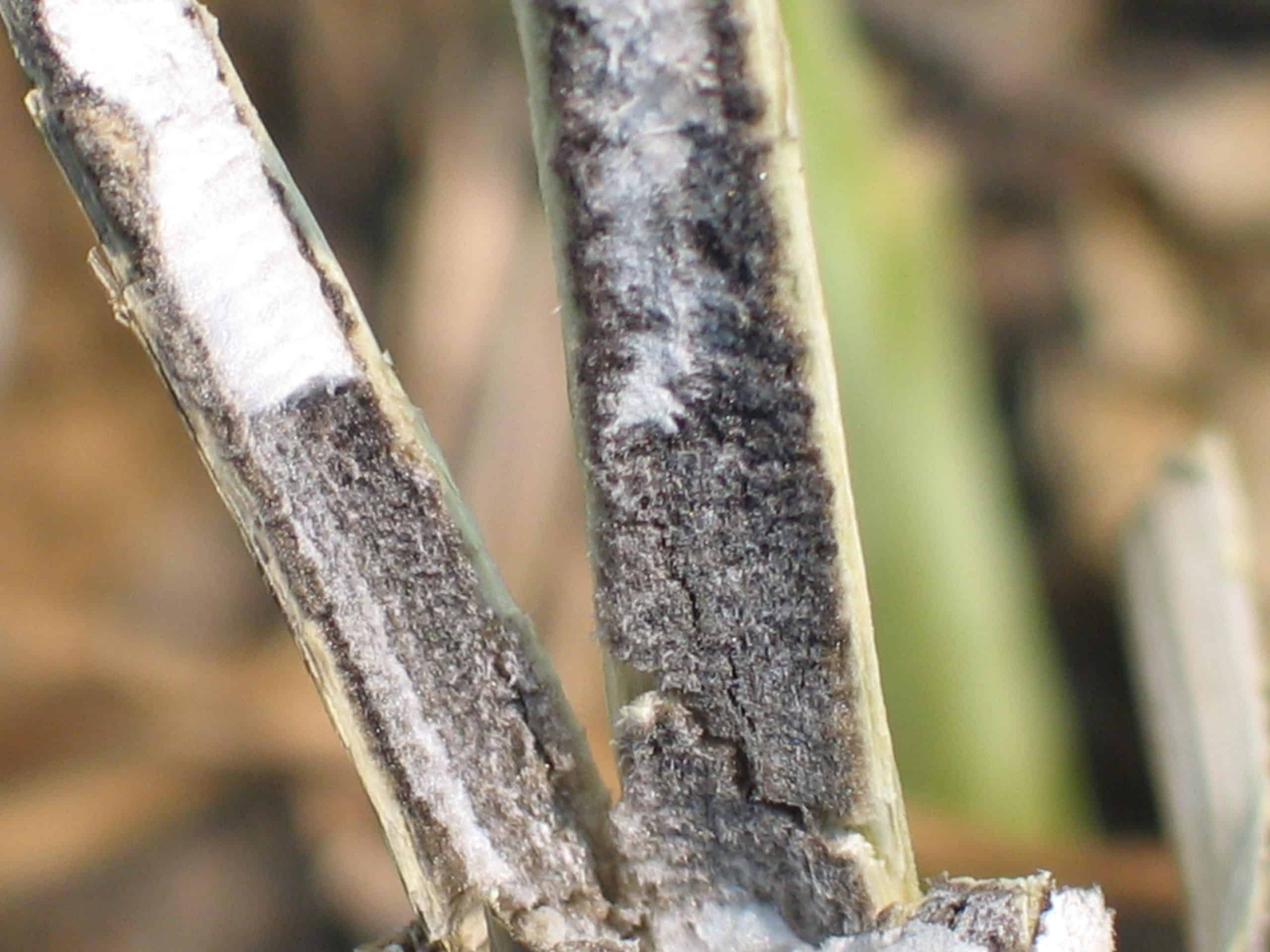
Three major stem diseases — blackleg, clubroot and sclerotinia stem rot — are more easily identified in the weeks leading up to harvest. Areas of the field with prematurely ripening plants and excessive lodging are signs that any one of these three diseases could be present.
Long flowering and sclerotinia risk

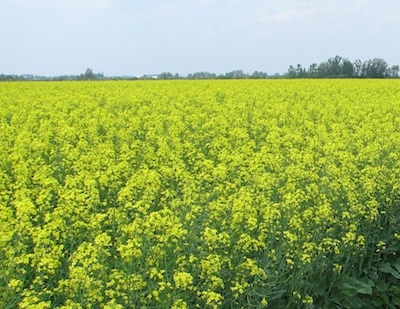
Improved moisture in some regions has extended flowering. Some fields have been at “full flower” for what seems like weeks. Highly variable crops may also be at full flower or their “most yellow” — other terms for 50% flower — for longer than typically expected. This does extend the sclerotinia stem rot risk. But that “risk” may still not be high enough to warrant a fungicide spray — given the risk was so low before and that late applications tend to have a reduced benefit for yield.
Sclerotinia cycle and spray timing
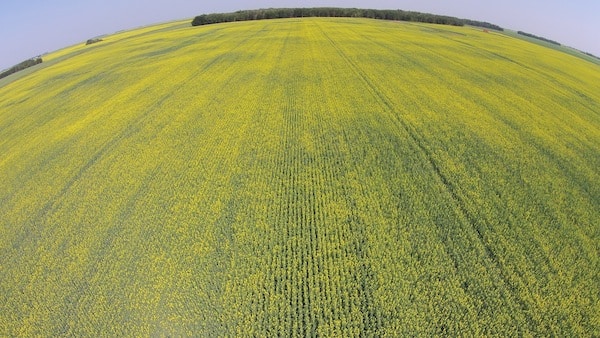
Scattered rain with more in the forecast will have growers wondering this week whether to spray fungicide to manage sclerotinia stem rot. Moisture is the key risk factor for sclerotinia stem rot. Without moisture a couple of weeks before flowering and humidity during and after flowering, disease severity and the return on investment from fungicide will be lower than if moisture is present all through these periods.
Sclerotinia risk: How low is it?
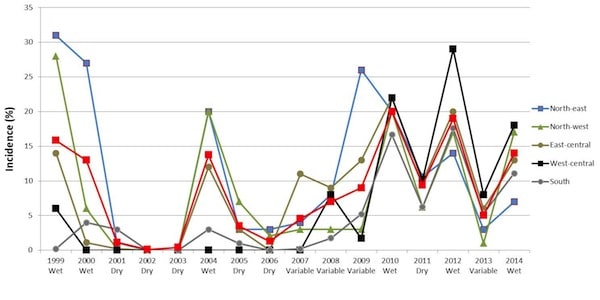
Moisture is the key risk factor for sclerotinia stem rot. Without moisture before, during and after flowering, disease severity and the return on investment from fungicide will be lower than if moisture is present all through these periods. Moisture can come as rain, dew and/or humidity above 80%.
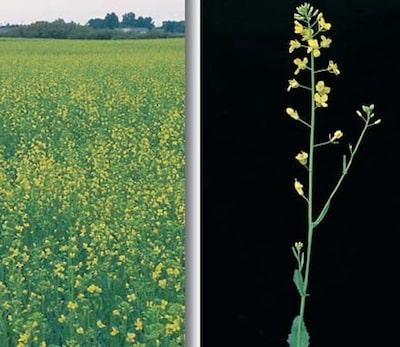
10%, 20% and 50% flower
Sclerotinia stem rot and cabbage seedpod weevil control timing depends on flowering stage. This article will help you estimate 10%, 20% and 50% flower.
Disease scouting: killing two tasks with one look

While you are out there checking to see if your crop is ready to cut/harvest is a perfect time to also check for disease! Likewise, the representative sampling technique used to accurately determine the stage of the crop is also ideal for disease scouting of your field. Pulling out a few plants and checking for the big three diseases, as well as any other issues, will save you an extra trip to the field. Early disease detection could save you thousands of dollars down the line!