Seed rate: Start at 5 lb./ac. and tweak from there

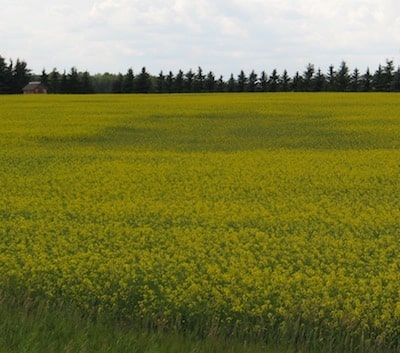
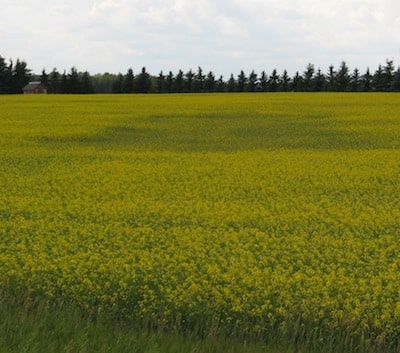
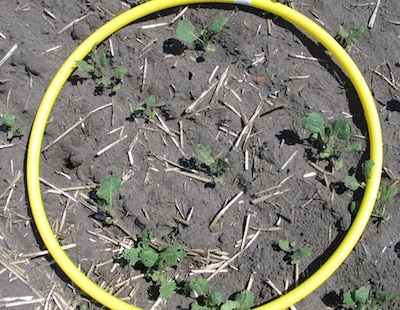
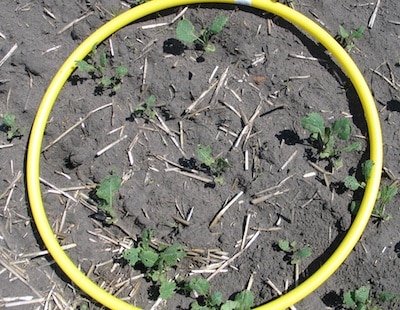
Hybrid canola stands with fewer than 5 plants per square foot cannot reach their yield potential. You want at least 5 plants and ideally 7-10 to allow for some plant loss to disease and insects.

For growers who want to keep things simple, a standard seeding rate of 5 lb./ac. should meet the basic needs of stand establishment — as long as all other steps for a good stand are followed.

Growers who want a seeding rate that establishes 7 to 10 plants per square foot — 4 plants is about the minimum but you should add a few extra plants for a safety cushion — will want to adjust the seeding rate based on seeding date (cool soils may require a higher seeding rate given the likelihood of higher seeding mortality) and thousand seed weight. Read how to do that.
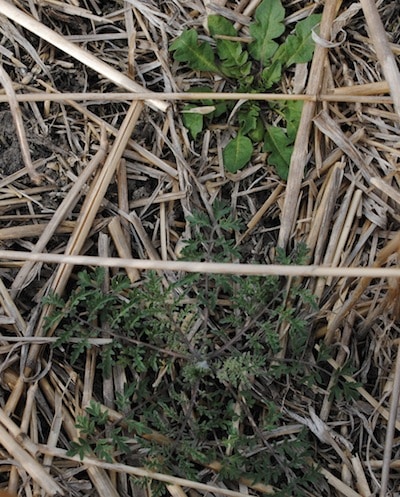
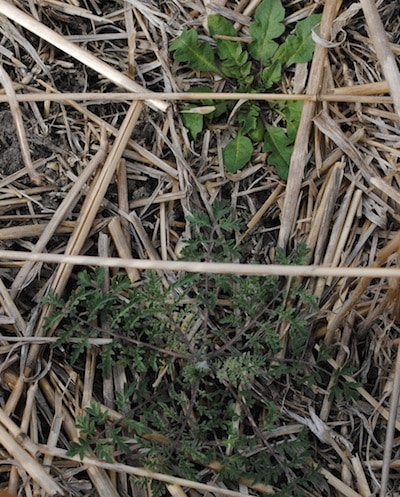
Is it too early to seed?

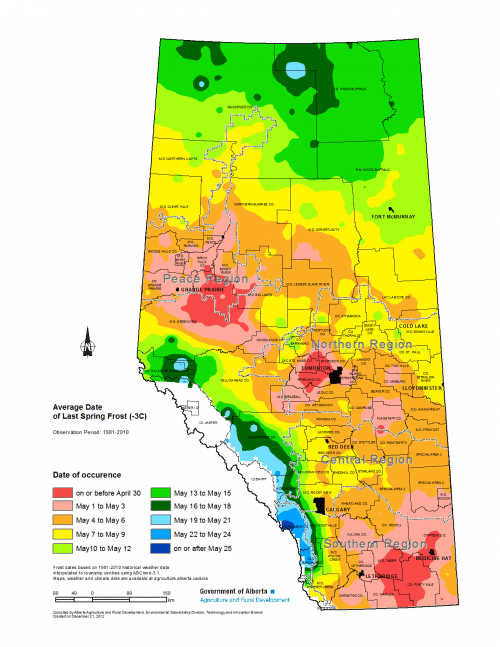
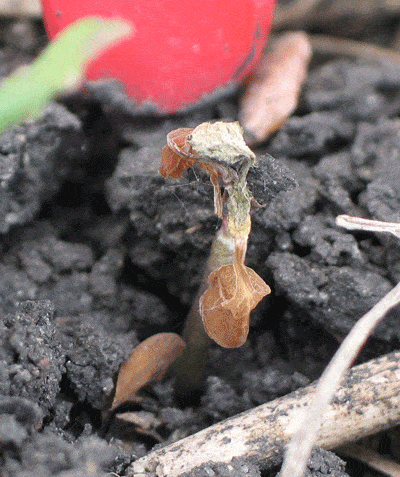
Very early seeding increases the frost risk and may not provide a yield advantage over your regular early seeding date.

Early seeding usually improves canola yield potential and quality, but these benefits depend on survival of a sufficient plant population — ideally 7 to 10 plants per square foot, and a minimum 4 to 5. An early-seeded crop that is thin and uneven because of a damaging frost will not meet yield and quality expectations. Typically, the maximum yield benefit comes when canola is seeded in late April to mid May. The exact window depends on the region and the season. Before making the decision to seed earlier than usual, consider:

Get the drill ready for spring

How to get the drill ready for spring: Level side to side and front to back, check each opener for wear, check shank trips, inspect all moving parts, inspect electronics, and do a sock test to make sure the air delivery system is not cracking seed.

Top 10 agronomy topics for 2015

CanoLAB15 boron def

The Canola Council of Canada agronomy team came up with 12 agronomy priorities for 2015, and then ranked them. Here are the top 10, with our highest ranked topic placed first. We will cover these topics in more detail throughout 2015.

Shorter season varieties

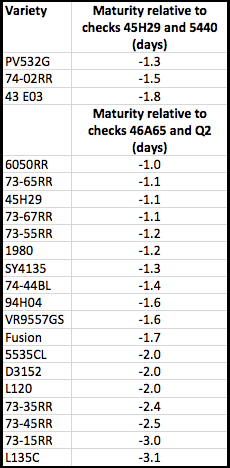
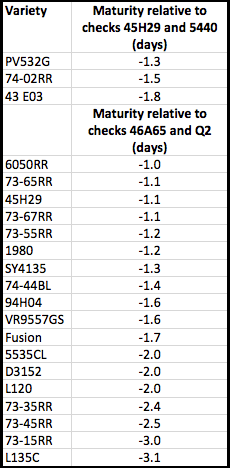
Growers sometimes prefer earlier maturing canola varieties given their season zone or if spring seeding is later than expected. Here is a list of all NAMED varieties supported for registration at WCC/RRC since 2009 that have maturity of at least 1.0 day earlier than the checks. If this list is missing shorter-season varieties currently on the market, please email Jay Whetter at whetterj@canolacouncil.org.

Days to maturity

Many of these varieties are compared at the Canola Performance Trials website, which compares varieties based on days to maturity, as well as yield, lodging and height.

Reader question

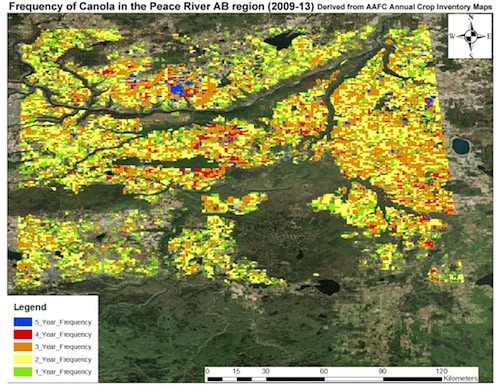
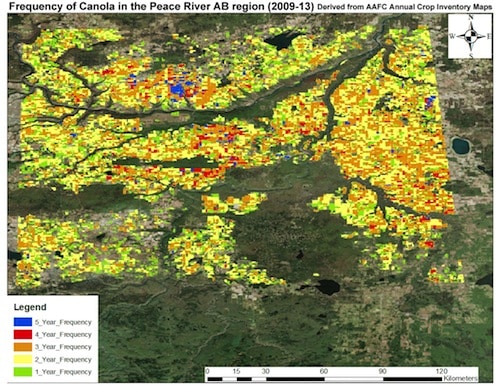
A Canola Watch reader asks: “I am interested to find out how many acres of continuous canola are actually in the Peace compared to other areas.”

Leander Campbell from Agriculture and Agri-Food Canada provided four maps, including this one….

5yrCanolaFrequencyPeaceRiverAB small

Does continuous canola create a canola-friendly microbial environment? NO

Look out for clubroot patches in 2014 — even if the field is seeded to a resistant variety.

The CCC agronomy team asked Mario Tenuta, the University of Manitoba’s Canada research chair in applied soil ecology, if continuous canola can actually create a canola-friendly soil environment.

His answer:

“There are several examples where continuous cropping of other crops have created a soil microbial population that can keep down soil-borne diseases. Can the same happen with canola? Likely. However, this benefit cannot compensate for the significant yield loss associated with continuous cropping….