The Canola Council of Canada has a new video that describes key stand establishment steps using animation and a Q&A format with growers.

Variety comparison results are in

Canola Performance Trial results for 2014 are in, and will be added to www.canolaperformancetrials.ca this week. The online tool includes interactive maps and the ability to refine searches by season zone, herbicide tolerance (HT) type, yield, days to maturity, lodging and height. Users can also compare results from 2014, 2013, 2012 and 2011.
While you wait for CPT results
Results from the 2014 Canola Performance Trials are being checked and approved for posting at www.canolaperformancetrials.ca and in the CPT 2014 booklet.
Listen to a podcast on CPT 2014 with CCC agronomy specialist Warren Ward.
In addition to CPT results, here are some other sources for variety performance information….
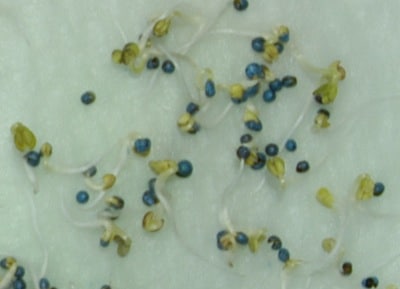
Seed: Quality standards and storage tips
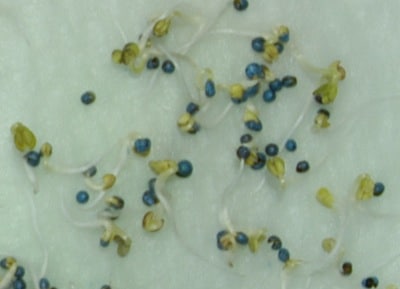
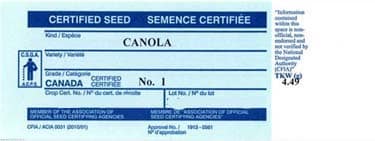
The Canada Seeds Act requires that all certified seed meet minimum standards for germination on the day it’s sold. Whether seed is grown this year, last year or the year before that, certified No.1 canola must have 90% germination or better at the time of sale. Certified No.2 must have 80-89% germination. The seller is responsible to make sure seed complies with the grade on the tag.
How much seed will you need for 2015?

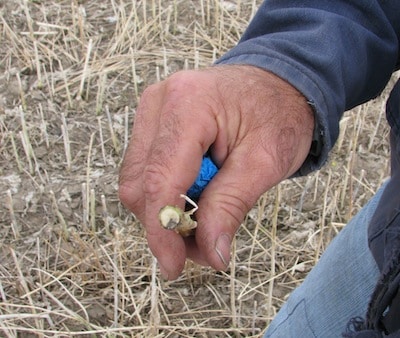
Informed decisions have to start with plant counts. Counting stubble density in the fall can help growers determine if their spring seeding rate was adequate to reach the crop’s yield potential. We know, based on analysis of stand establishment research, that canola generally needs a bare minimum of 4-5 plants per square foot to reach its yield potential.
Variety decisions for 2015
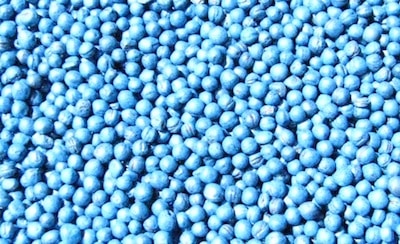
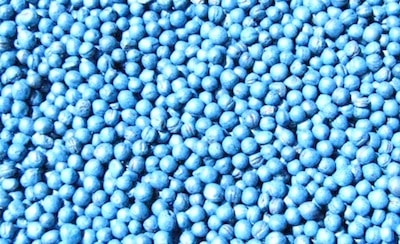
Canola Performance Trials for this year are still being measured and harvested, but growers wanting to make seed decisions now can go to www.canolaperformancetrials.ca. Small and large plot results for 2013, 2012 and 2011 are available.
Residue management starts at the combine
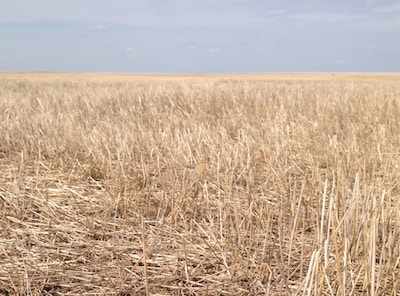
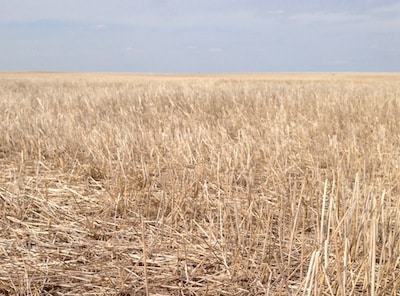
An important factor in canola stand establishment next spring is the crop residue situation this fall. An even mat of cereal residue is preferable to clumpy distribution that can affect drill performance, seed survival and overall crop uniformity next year. Fall is the best time to make sure residue is spread evenly. A properly adjusted combine straw chopper and spreader is key, and may eliminate the need for harrowing or stubble burning.
Top 10 considerations to prep for next year

1. Assess the disease situation.
2. Consider disease severity when choosing varieties.
3. Recognize which issues were agronomic versus environmental.
4. Evaluate variety performance.
5. Manage residue with the combine.
6. Identify weeds before making fall weed control decisions.
7. Manage volunteer canola. (Key is to prevent losses in the first place.)
8. Count stems after harvest.
9. Do a fall soil test.
10. Sample soil for clubroot.
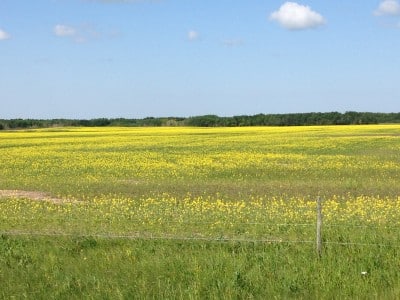
Top 10 reasons for poor-looking canola
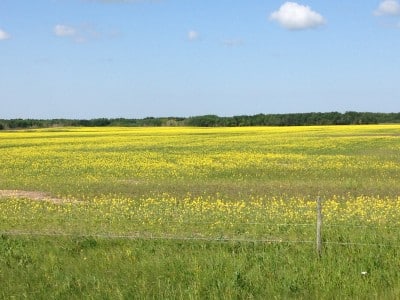
Growers in many regions are reporting canola fields that just don’t look as good as usual. Many are thin stands with weak plants and variable stages of maturity. Here are 10 most likely reasons.
Waterlogging and canola
Canola seedlings can handle about three days in standing water before plants start to die.