How much seed will you need for 2014?

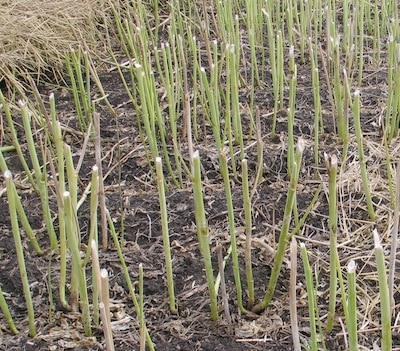
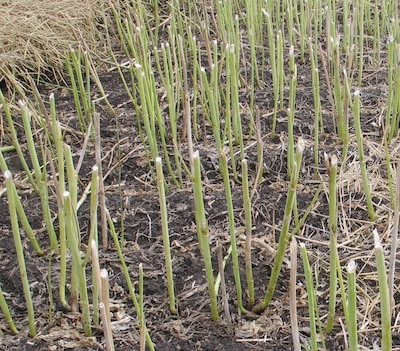
canola stubble

Harvest plant counts can help growers determine if their seeding was adequate to reach the crop’s yield potential. A compilation of stand establishment research shows that canola generally needs at least 4-5 plants per square foot to reach its yield potential.

But is this true for all varieties, all crop inputs packages, and all growing conditions? We don’t know. Growers can start to figure out their own ideal target plant stand by collecting a few years’ worth of plant stand data cross referenced with yield.
Why the missing pods?

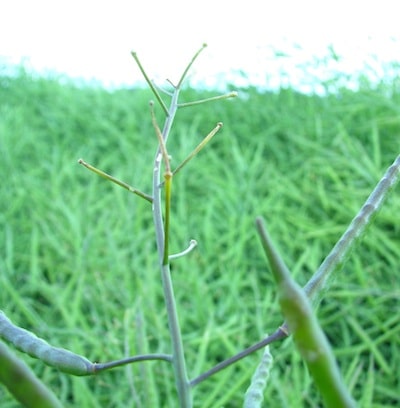
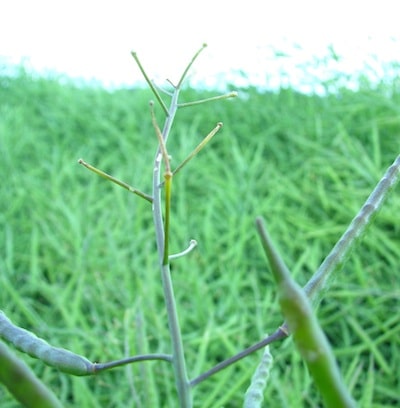
Missing or stunted pods at the top of this plant are likely due to heat stress. The plants look fine otherwise.

Some canola fields are exhibiting missing or stunted pods at the top or middle of stems. Pods in some fields have been described as green on the ends and translucent in the middle. The most likely cause is environmental. The few days above 30°C in early July would certainly cause flower abortion, and the hormone response to a couple days of heat could stretch the effect on podding to a week or more. However, other factors can be at play…

Excess moisture: Canola damage and agronomy response

Wet soils cause an oxygen deficiency, which reduces root respiration and growth. Root failure reduces nutrient uptake, and plants will eventually die unless drowned areas dry out quickly. A few days in waterlogged soil can be enough to kill canola plants, and yield loss is certain — although as canola plants age, they tend to be more resilient.

Top 10 things to look out for now

You have to scout to know what’s going on in the fields. Here are 10 things to look for this week.

10 – Gopher damage (Richardson ground squirrels or pocket gophers) Read more.
9 – Environmental damage – frost or wind
8 – Wild buckwheat. Read more.
7 – Herbicide efficacy. Is weed control what you expected? If not, why not? Read more.
6 – Flea beetle. Not all canola is safe at the 4-leaf stage. Read more.
5 — Cutworms. Missing plants? Start digging. Read more.
4 – Herbicide carryover issues. Read more.
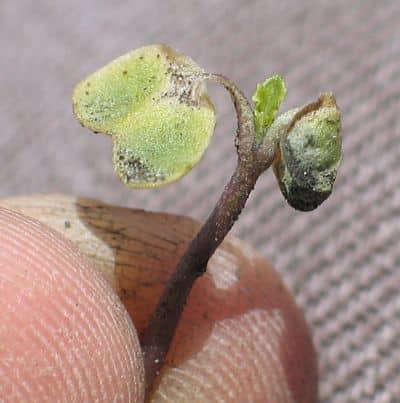
3 – Seedling diseases. Read more.
2 – Cleavers. Read more.
1 – Plant stand. What is the plant survival rate? Deep seeding is one issue causing establishment problems this year. Can definitely see areas in fields were drill settings were a problem. This leads to increased disease, delayed establishment, higher flea beetle risk as the treatment wears off, and generally low vigor. Read more.

Listen to a podcast with CCC agronomy specialist Keith Gabert on what to scout for this week.

Are you above average?

If plant counts are lower than you expected based on your seeding rate, taking time now to figure out why will help fix the problem for next year. Use the Canola Diagnostic Tool to help. While scouting, look for the following, which will help with the diagnosis:

Canola recovers from early hail

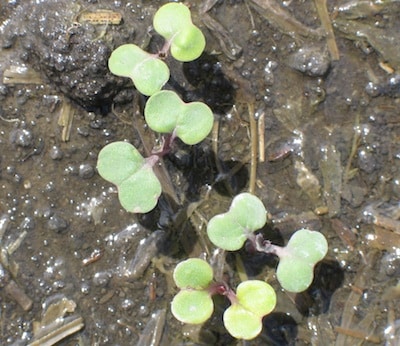
Early season hail rarely has an impact on canola yield potential. Hailed seedlings usually come back very well. If hail breaks off both cotyledons or snaps the stem, these plants usually do not survive. But even in these severe cases, while individual plants may die, a whole canola crop is fairly resilient to early season hail when it comes to overall yield potential.

Crusting: Leave it be, hope for the best

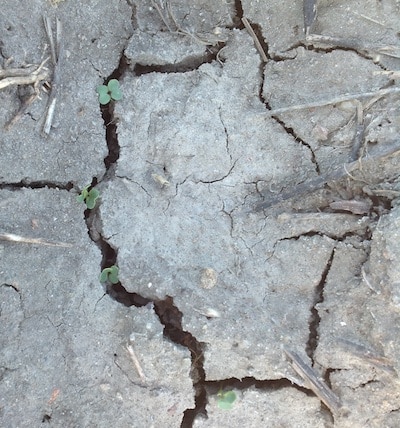
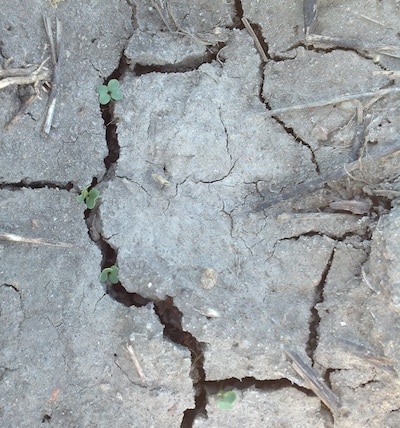
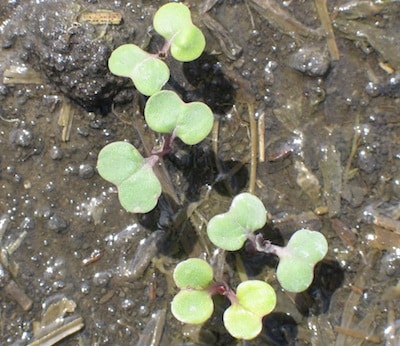
Only the few lucky seedlings that happened to be under a crack made it through this crust.

There are no reliable solutions to crusting other than to wait for rain. Some growers have reseeded the worst sections of fields. A light harrowing might help if nothing has come through. Do a couple passes then assess whether canola seedlings are being ripped out of the ground. Harrowing too close to emergence can be harmful to a shallow seeded crop such as canola and may not be worth the risk.

Using a roller may be worse than harrowing when soils are wet below the crust. Instead of cracking up the soil surface, a roller could turn the whole topsoil zone to concrete. Again, there is very little research on how to manage crusting. It’s trial and error.

2-3 days of waterlogging deadly

Excess water stress small

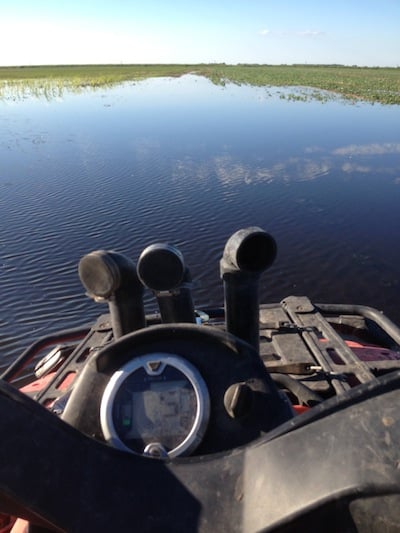
Heavy rains in the past week left some Prairie canola fields under water. Canola is quite susceptible to water logging and shows a yield reduction after only 2-3 days with wet feet. Wet soils cause an oxygen deficiency, which reduces root respiration and growth. Root failure reduces nutrient uptake, and plants will eventually die unless drowned areas dry out quickly.

Late seeding tips

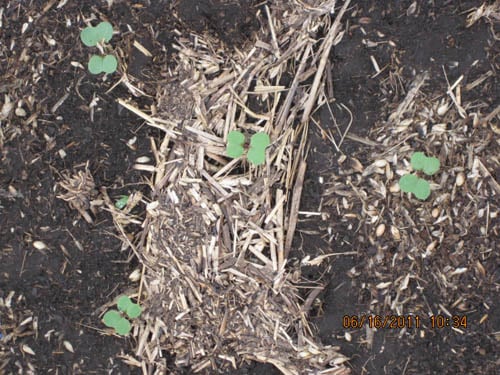
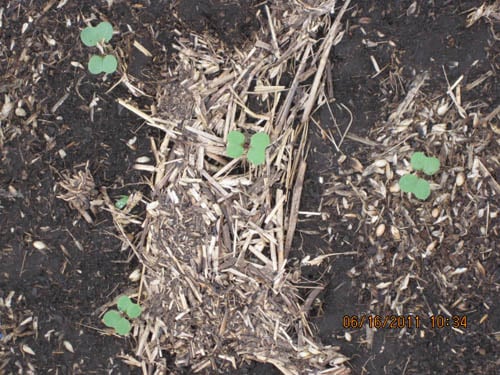
This seed was floated on, then harrowed — in June 2011. We're still in early May.

Growers hoping to seed their final canola acres this week or next week may want to consider the following tips to deal with a shortened growing season.

Spring frost: Take a few days to assess damage

Two key questions arise after a spring frost: 1. Did the crop survive? (Do I need to reseed?) 2. When can I resume weed control? It takes some time answer these questions, which is why waiting a couple days is important. How to answer them…