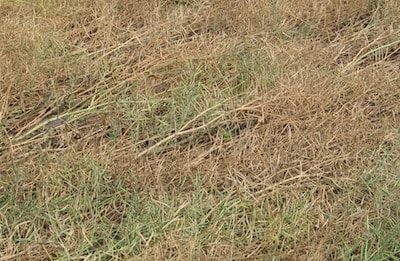
Seeing signs of canola disease but you don’t know what it is?
Read this article: Disease to look for while harvest scouting.
Watch this video: CCC pre-swath disease scouting video.
Use the Canola Diagnostic Tool
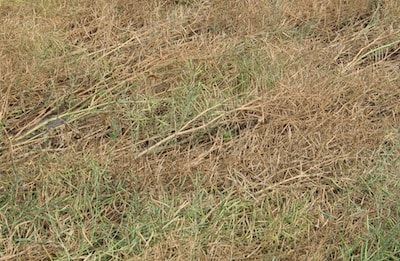
Seeing signs of canola disease but you don’t know what it is?
Read this article: Disease to look for while harvest scouting.
Watch this video: CCC pre-swath disease scouting video.
Use the Canola Diagnostic Tool

Yield-robbing levels of disease will be easy to spot in canola fields now and through to harvest. This is a great time to start your pre-harvest disease scouting. The CCC has released a new pre-swath disease scouting video available on www.canolacouncil.org on proper identification including tips and close up views of typical damage from the major diseases.
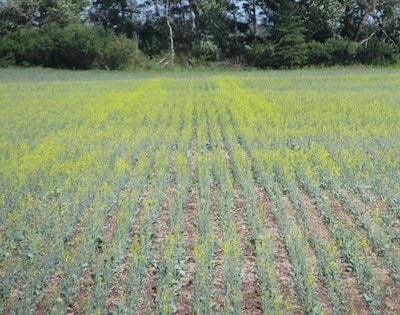
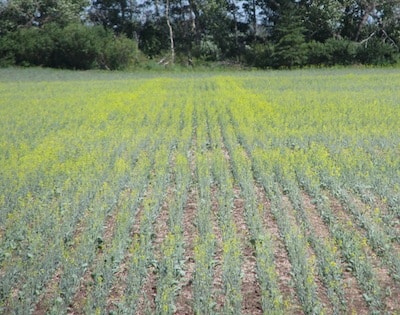
When strange patterns of damage in canola fields line up perfectly with the sprayer boom width or follow typical drift patterns, phone calls and finger pointing begin.
Explanations can be simple: The wrong product was added to the tank, or the right product was applied but on the wrong field.
But situations are often much more complicated — and made even more so by the wide variety of products that go through sprayer tanks. Mixing order becomes a potential problem, with unforeseen consequences if new never-used-before mixes are tried or if the proper mixing order is messed up or if products are not given time to come into suspension before the next product goes in.
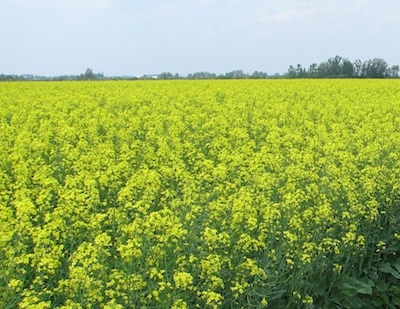
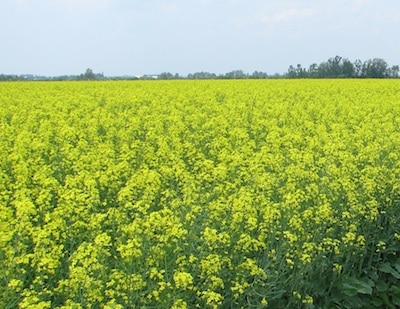
The risk of sclerotinia stem rot infection is still present on later crops that have not reached full flower, especially given the rain and high humidity in some regions this week. Highly variable crops may also be at “full flower” or their “most yellow” — other terms for 50% flower — for longer than typically expected, which also extends the risk.
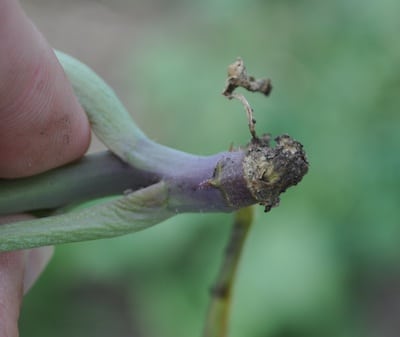
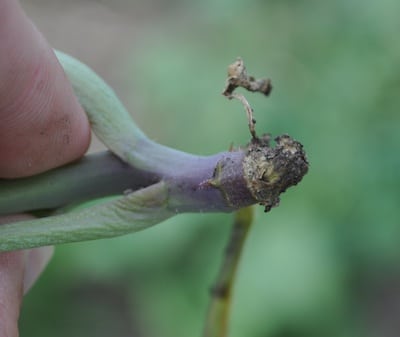
Foot rot and brown girdling root rot (BGRR) seem to be more common this year. If you see dying plants or plants with lower leaves dying off while other plants remain green, this may indicate abnormal root function. Dig them up and check the roots for rots and girdling.
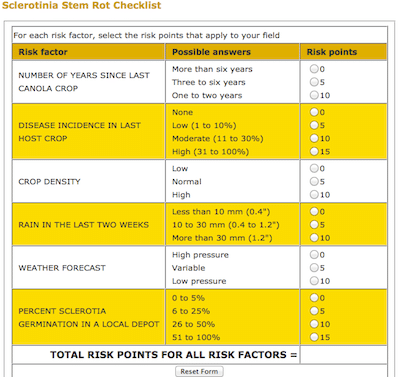

Hot, dry conditions the past number of days and variable field staging have made the decision to spray fungicide to manage sclerotinia stem rot even more difficult this year.
Moisture is the key risk factor for sclerotinia stem rot. Without moisture before, during and after flowering, disease severity and the return on investment from fungicide will be lower than if moisture is present all through these periods. Moisture can come as rain, dew and/or humidity above 80%.
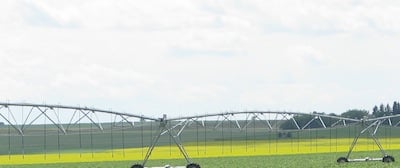
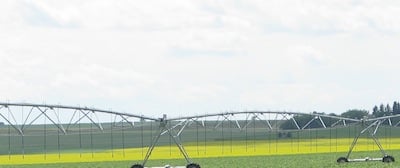
Canola’s need for water is highest during the flowering growth stage, which means growers using irrigation have to provide more water during this stage. However, moisture at this stage also increases the risk of sclerotinia stem rot infection.
Alberta’s irrigation scheduling strategy recommends less frequent and larger irrigation volumes during the flowering growth stage. This will provide the water the crop needs, but by increasing the time between irrigations, the canola canopy has a chance to dry out to discourage sclerotinia stem rot.

The table above shows fungicides available to manage sclerotinia stem rot. The article answers a few common questions on sclerotinia stem rot management….
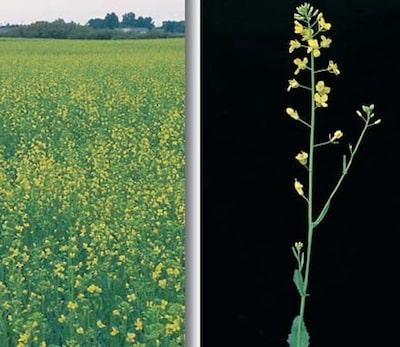
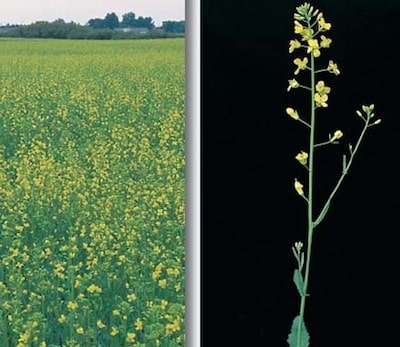
1. Flowering percentage to determine timing for fungicide. The photo above from NDSU shows canola at 20% flower, which is when the application window opens. To assess flowering progress, concentrate on the main stem only. Count all flowers, including aborted flowers and developing pods. With 15 flowers main stem, the field is around 20% flower.
Read the other nine….
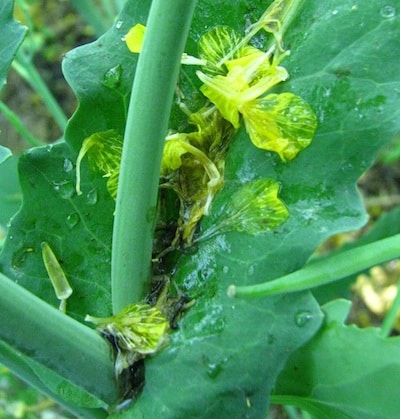
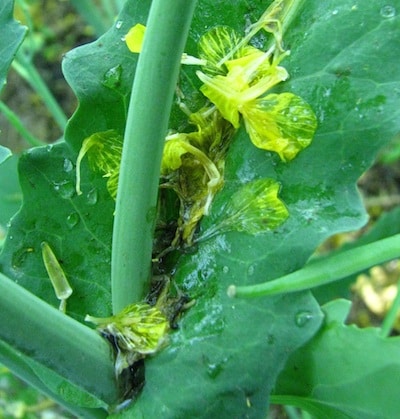
Earliest canola fields are coming into flower, and many areas of the Prairies have more than enough moisture to elevate the sclerotinia stem rot risk. Here are key risk reminders as we head into sclerotinia stem rot management season….